Chinon: so many stories!

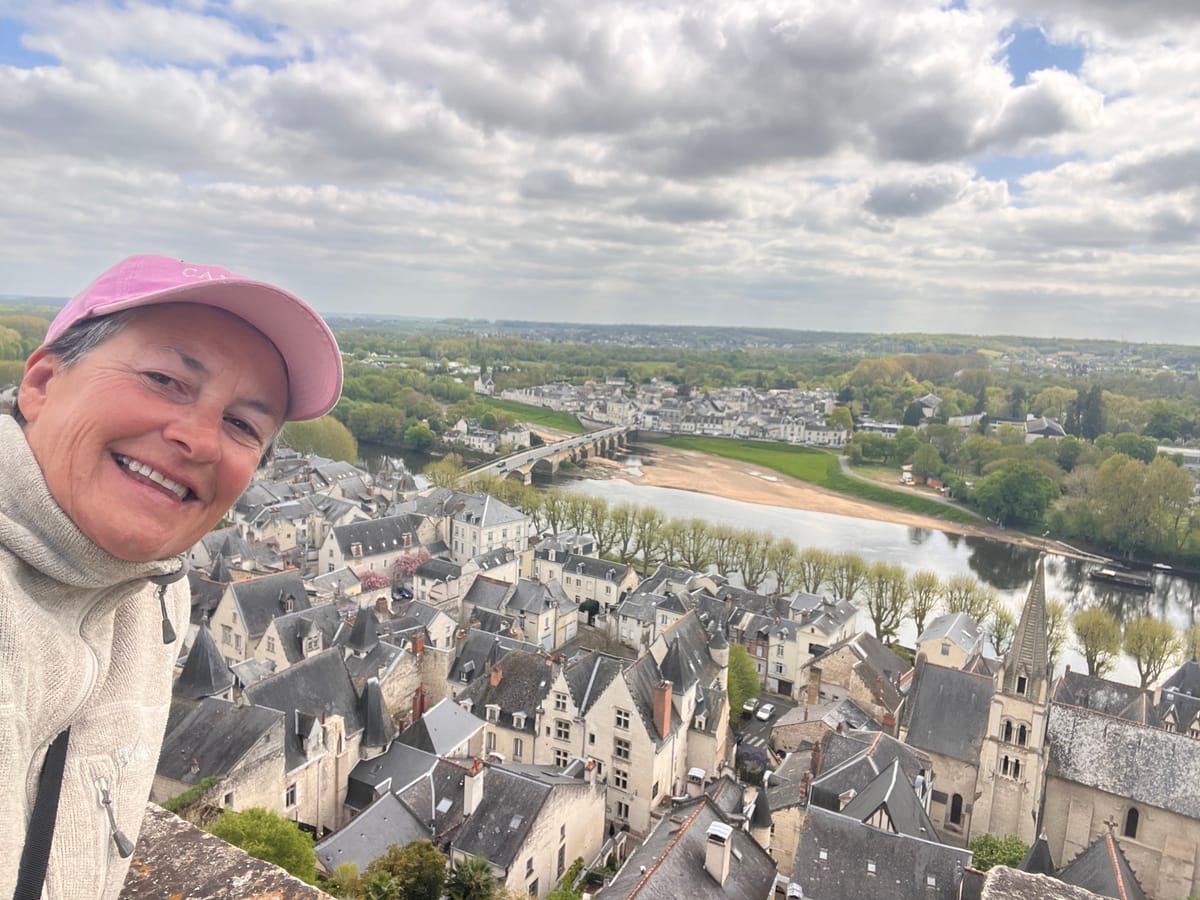
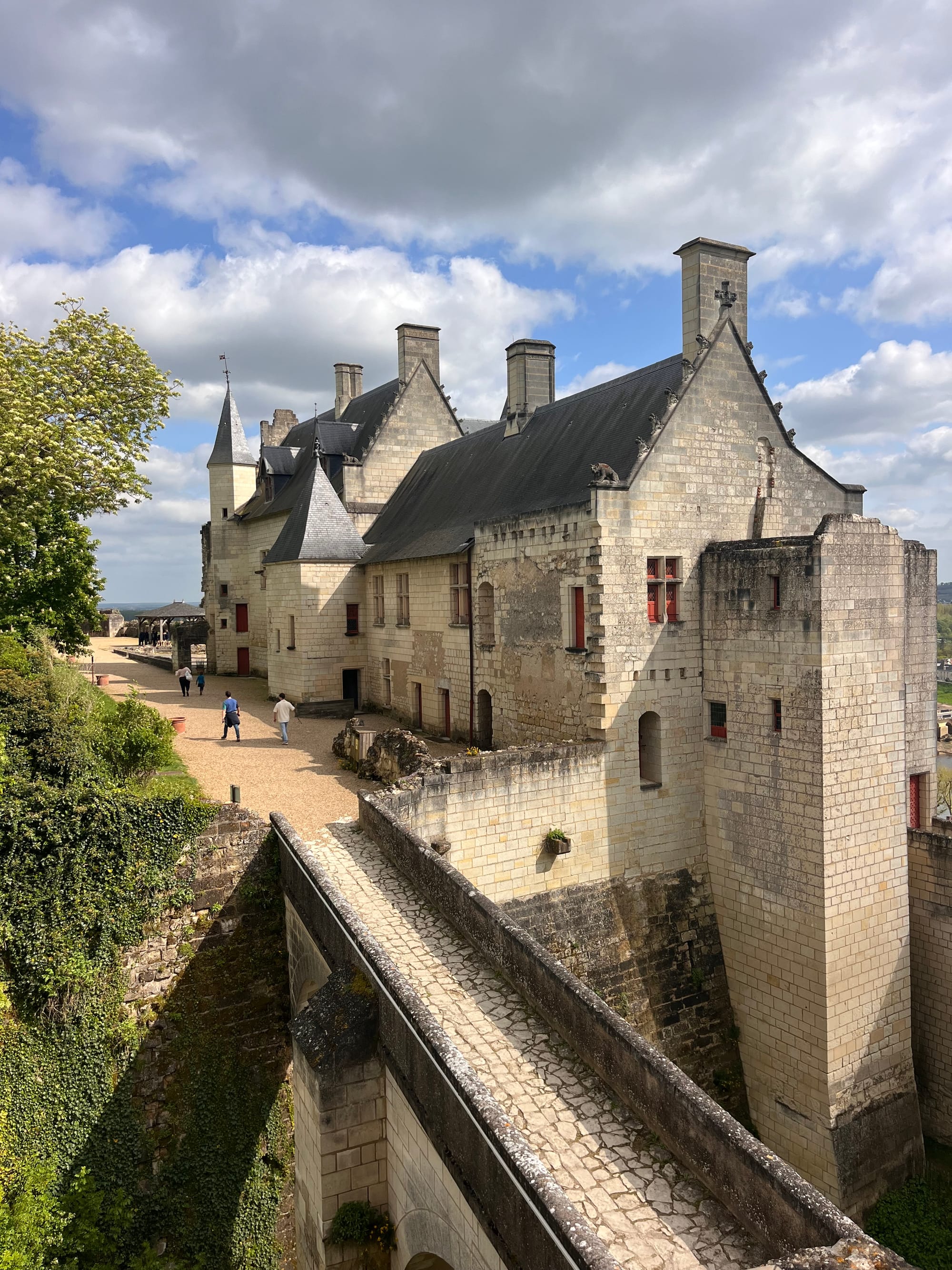
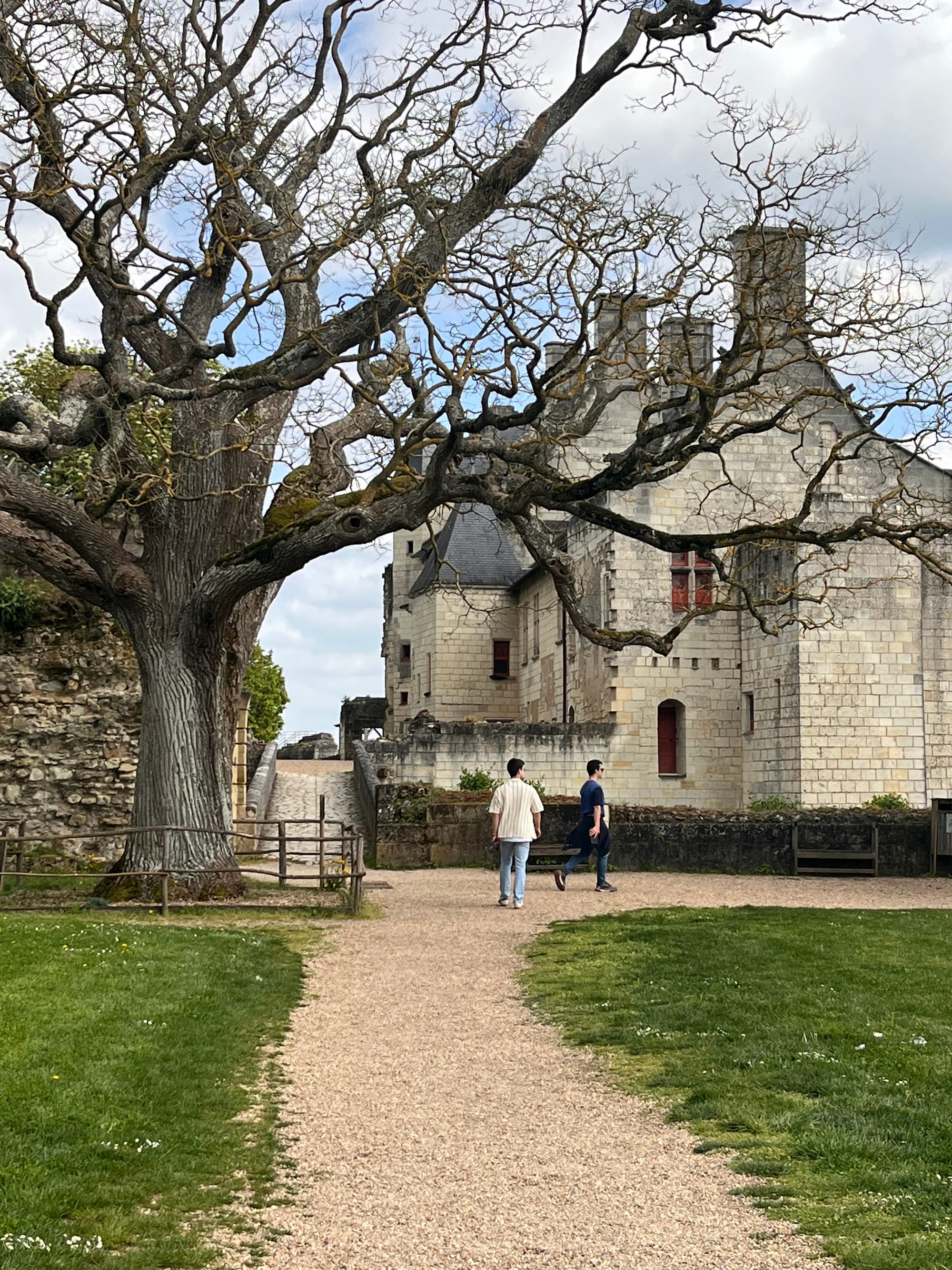
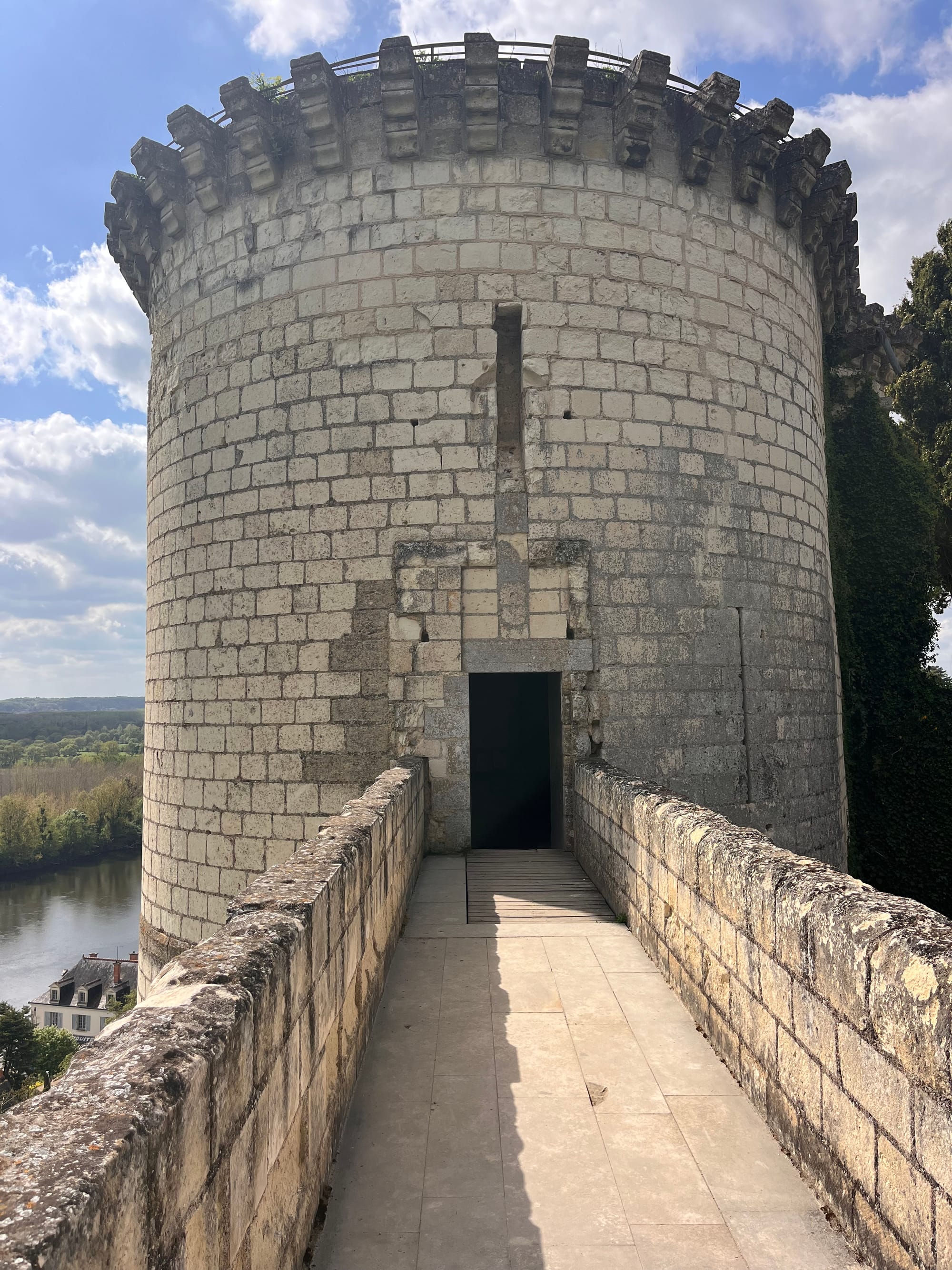
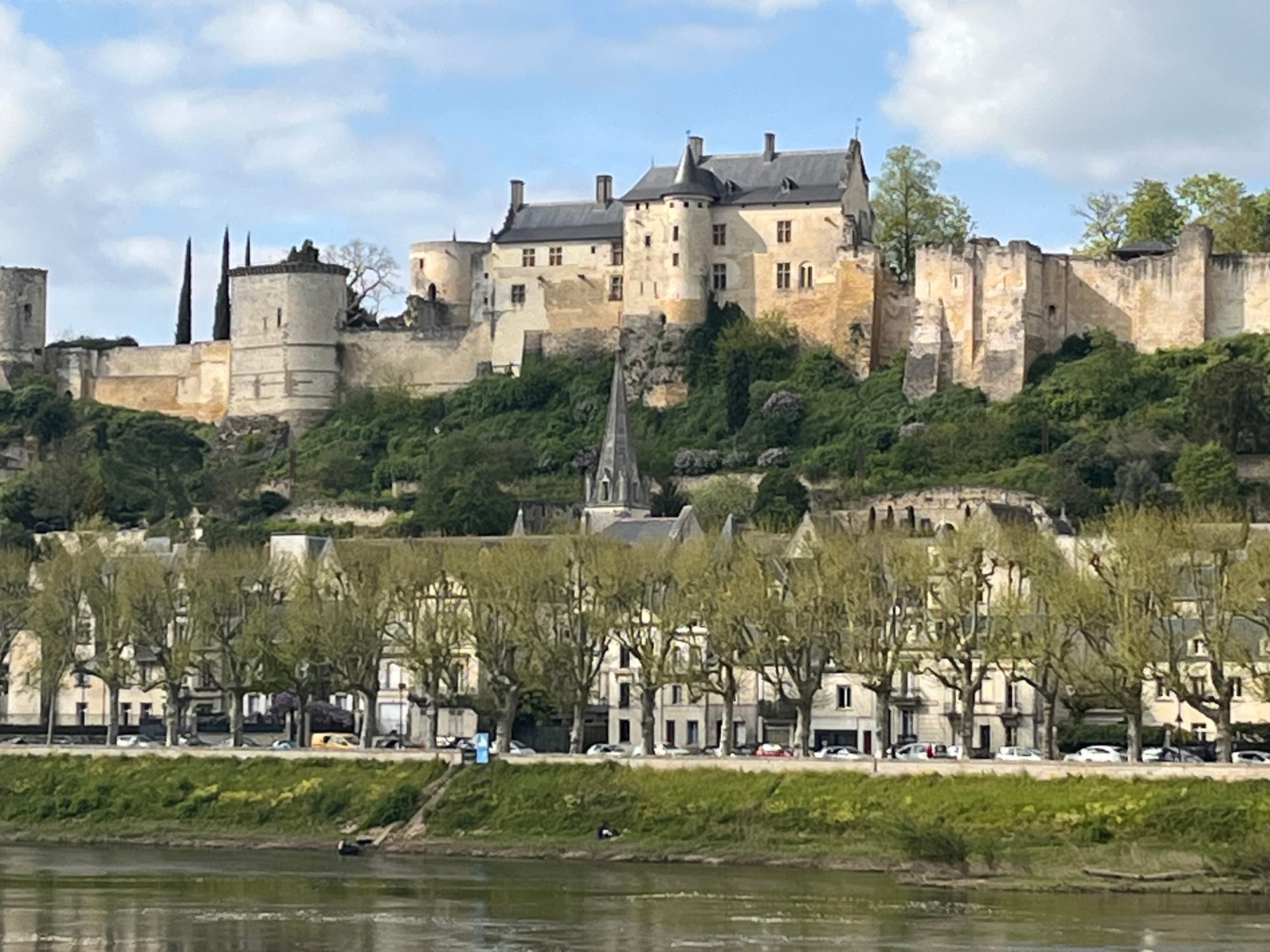
I biked up to Chinon in the sun, stopped for a quiet café on the square, parked up Selma the bike by the drawbridge, and strolled on in. Meh…not such a grand chateau as the others here on the Loire, I thought, just a few crumbled towers on a grassy lawn at the top of the walls. This will be an easy one.
Well, bang, I was so wrong. Should do some research before I set out on these adventures. So, so many stories!
The thing is, Chinon is not a fancy renaissance château with all the bling. So not a lot of grand stories from the 1500s on. But in the 11-12-13-14 hundreds it was full on here. My goodness.
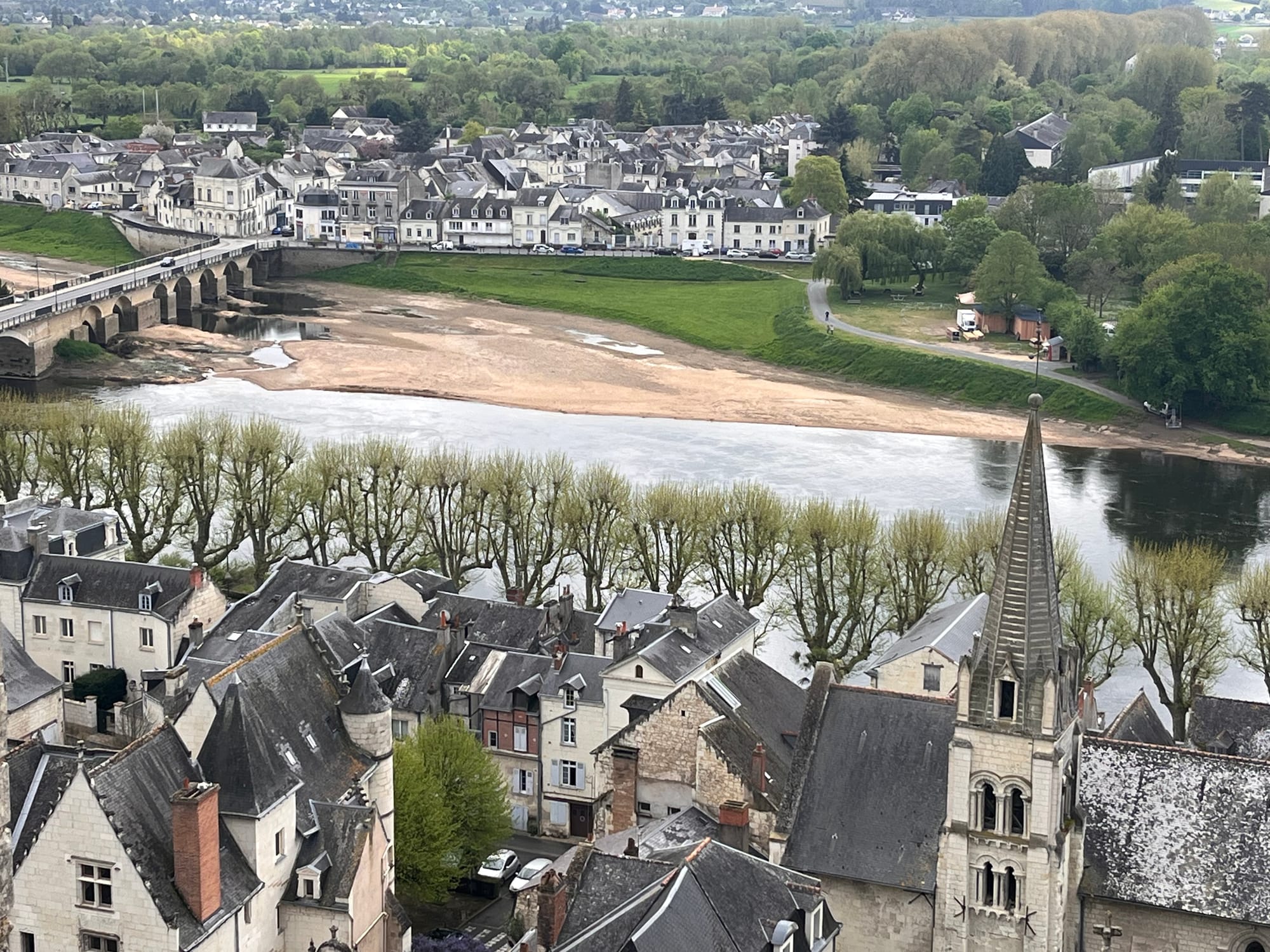
So: standard roman fort on the cliff over the river, built on and fortified by the local lords in the 9 and 10 hundreds. Then bang, Henry II turns up, fresh into his marriage with Eleonore in 1152 and keen to make a mark on this empire of his that stretched basically from Scotland to the Pyrenees. The Angevin empire, as it’s known. This place, Chinon, became something of a headquarters in the heartland, and man did he, and they, have a lot to manage.
Which the good king Henry did fairly well by the sound of it, good governance and he kept the territory together more or less, even if he was constantly armoured up on his destrier and charging round to keep everyone under control.
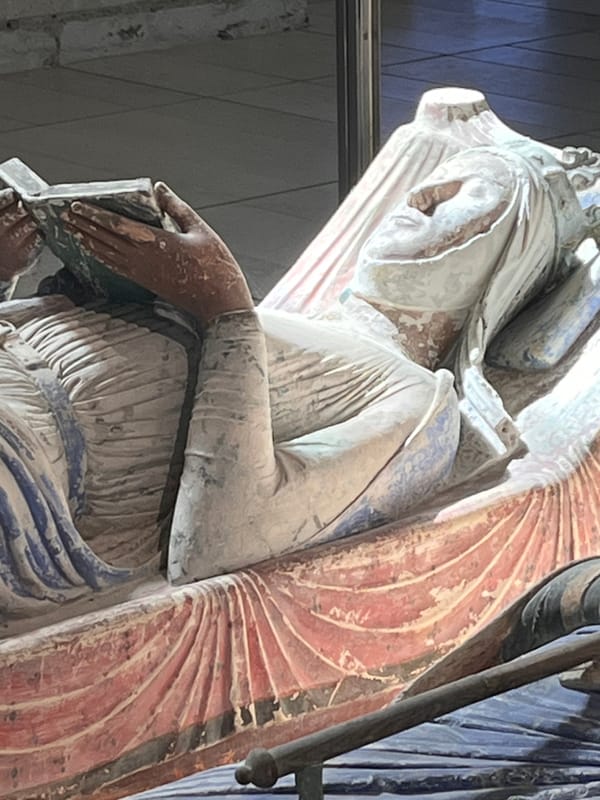
Seems like he did less well with his family: at various times they were all against him, swords in hand and subterfuge behind the tapestries. It even got to the point that he had his own wife Eleonor put under house arrest for some 15 years, and to start with at least, that was most likely here in the newly built forteresse of Chinon. Big keys and lots of them.
Henry himself even died here in the castle eventually, in 1189. Old and sick in his 50s after a lifetime of battles with sword in hand, and battles to micro-manage his family. Some right royal narcissistic tendencies if you ask me.
So son Richard takes over for a decade, uses Chinon as some sort of home base, and when he dies son John takes over for a decade more. Something of a golden child from Henry’s point of view, but less so from everyone elses. His own people besiege him here in Chinon at one point, fed up and wanting change!
John’s legacy is pissing off his people, pissing off his barons, and losing most of the empire. All in a few short years, he died in 1216. And the castle here got a break for a bit.
Roll on a hundred years or so and there’s another big story: the final days of the templar knights. Yes, really!
This mythical order existed for two centuries, protecting pilgrims in earlier years, fighting untold battles on crusade, and amassing insane amounts of wealth. And thus, power. Roll on to 1307 and the french king, Phillip le bel, had had enough. He owed the templars a ton of money and wanted to both disappear his debts and get his paws on their assets.
He had every last one of the knights arrested on trumped up charges of heresy, and threw the five head hotshots into the dungeon here at Chinon.
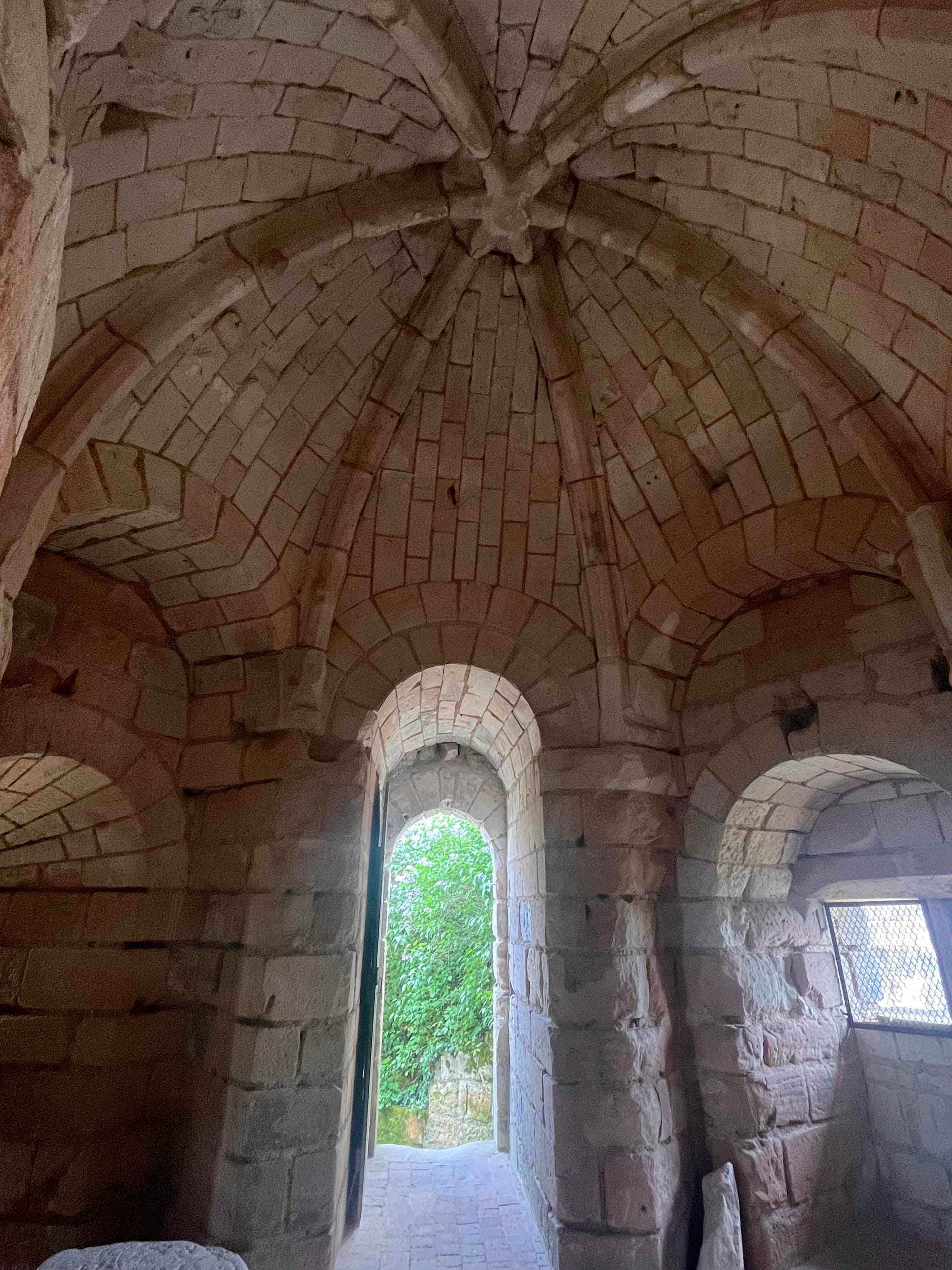
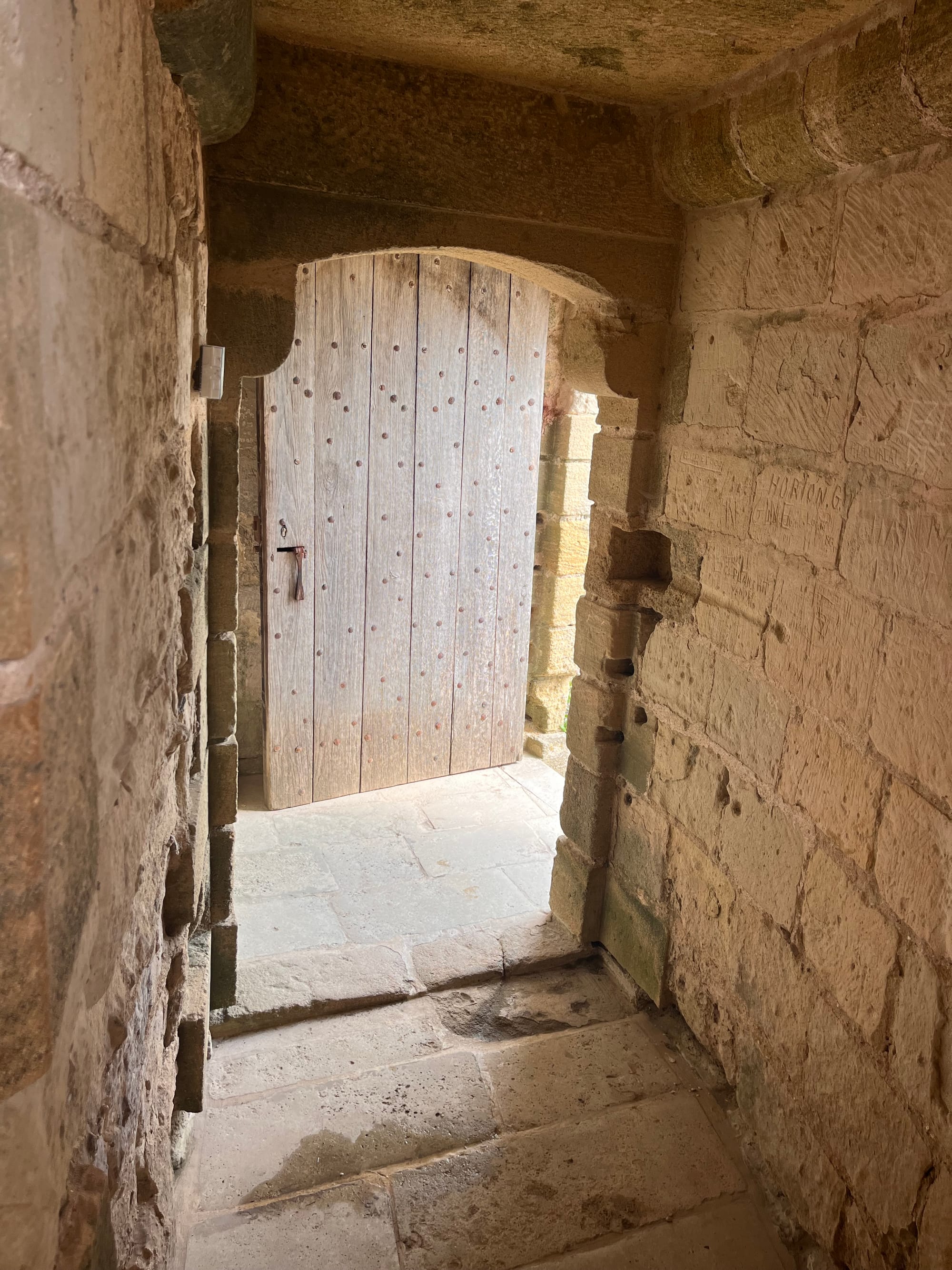
I had no idea! I worked my way slowly, carefully, down the winding dark spiral staircase deep under the donjon. The keep. The dungeon! Slimy dank walls and a latrine set in the stairwell, the original longdrop.
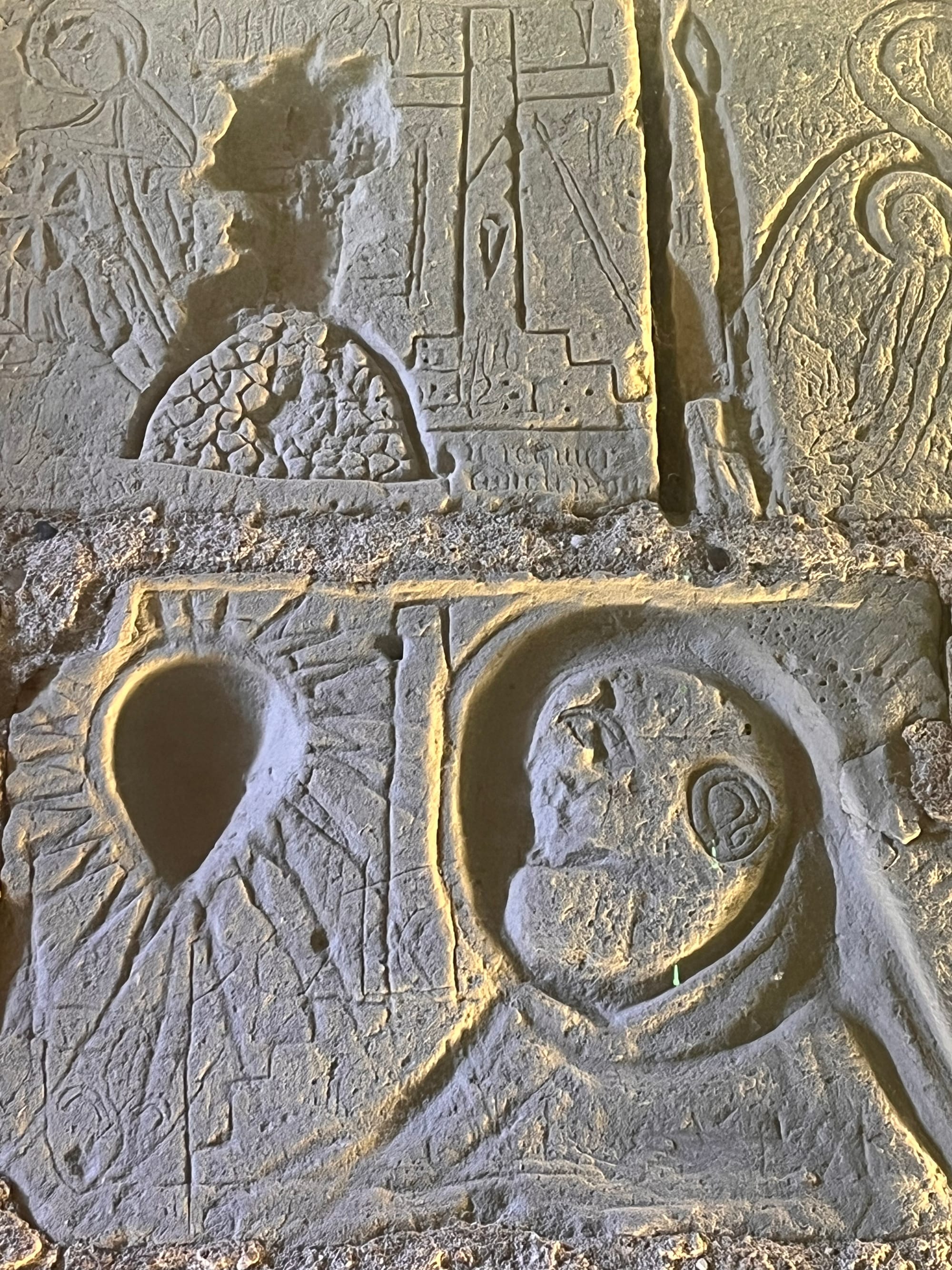
And there, scratched in the walls of the cell were grafitti they say is from the three-month imprisonment of the Templars. Jacques de Molay and his top commanders, carving their last tribute to God.
Bit of a wow moment, and the etchings were actually beautiful. Spiritual.
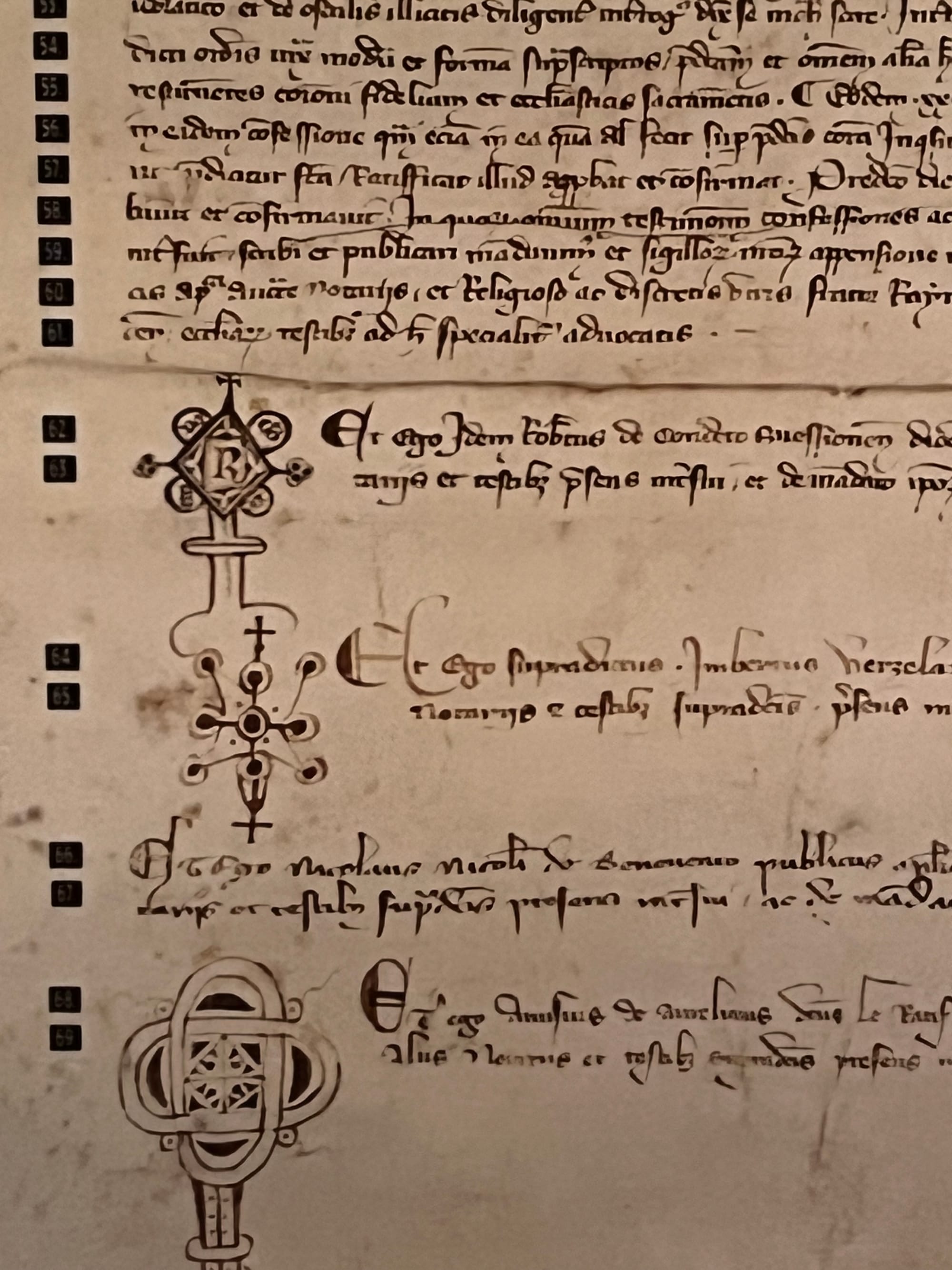
The pope was hauled in (the new one from Avignon, Clement) and he interrogated them in the dungeon. His hands were tied, it seems, and he couldn’t set them free. But he did draw up a beautiful big parchment officially absolving them. Amazingly, this document was lost in the vatican archives until a couple of decades ago.
The beautiful parchment didn’t make the least difference: the king had them burned at the stake in 1314 in Paris. I was curious where exactly, the templar headquarters were up past the bastille at what is now Place de la revolution - I went looking for traces a couple of years ago, but there’s nothing to find.
The heretical fire was on the Île de la Cité, that royal and ancient island where Notre Dame is now. At the Plats du Vert-Galant, that pointy little grassy picnic area on the west end of the island (the Louvre end). A place anyone who’s been to Paris has probably walked past! Who would have known?
It was the top two hotshots who were burned at the stake there, the thousands of other french knights were already executed, or had evaporated into other organisations. Phillip of course had taken all the money (the Knights Hospitaler got some).
Phew.
Thought I could take a break there, but no. Stumbled into another of the many hidden chambers buried in behind the walls and discovered that Jeanne d’Arc had been here too! Holy moly.
Now we’re jumping ahead to 1429. She was 17 and had walked here from her village in Domremy far away in Burgundy, from memory. She had saints and angels whispering in her ears, and her mission was to find the king and get him up to Reims to be crowned. Hubris, madness, or divine intervention?
Who knows.
Anyway, the dauphin Charles, the prince who was supposed to be king, was here in Chinon. April 1429 Joan turns up, convinces him she’s the real thing, and he puts her in charge of the army. He’s a few years older, kind of alone; his mad father the king had been dead for a few years and his mother was far away.
This is all in the middle of the hundred years war, remember, the english were doing really well at this point. Trying to get back the lands that that loser John had lost, and thinking they might just fix it. They don’t want Charles to be crowned.
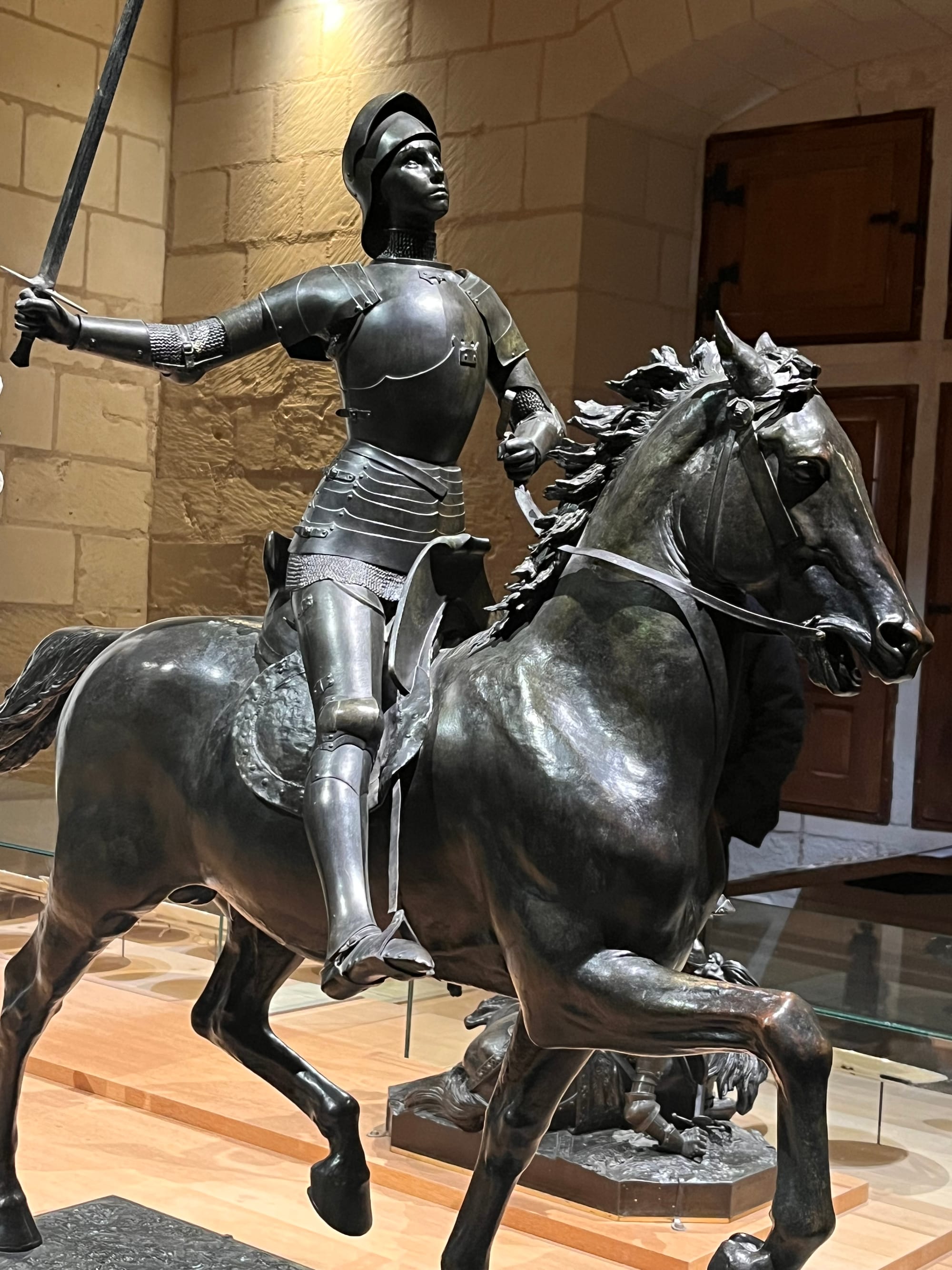
Along comes Joan and Charles, with armour and pennants and lances and shields. They take Orleans back (it was under siege), they win some other stuff, and they march for Reims, and the crown. Mission accomplished, Charles is crowned king!
Two years later, Jeanne is a prisoner and burned at the stake by the english, in the marketplace in Rouen. Heresy, crossdressing, insurrection, you name it.
But Charles goes on being king (Charles VII), and the rest is history. By 1453 France is french and the english are done, they have to turn their focus to the domestic infighting on home shores, the wars of the roses are kicking off.
Honestly, I was dreading going into the next chambre, turret, tower, latrine, in case there were more stories. But this is pretty much it, it’s all small stuff after this. Thank god.
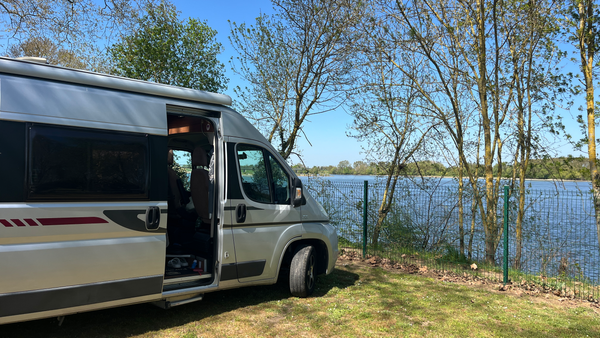
Can you imagine how nice it was after all that to saddle up Selma the e-bike and ride off into the sunset? A super cruisy and peaceful 20-ish km loop through woods and fields, along the river Vienne and around the corner and along the river Loire. Landed just in time for un demi at the local bar; in the sun, and with not a clashing sword fight in sight.
Phew. Made it through the middle ages, again.