Spain, Toledo, day 6

Oh my, I have so many stories. So I’ll just pick one, and come back to the others later
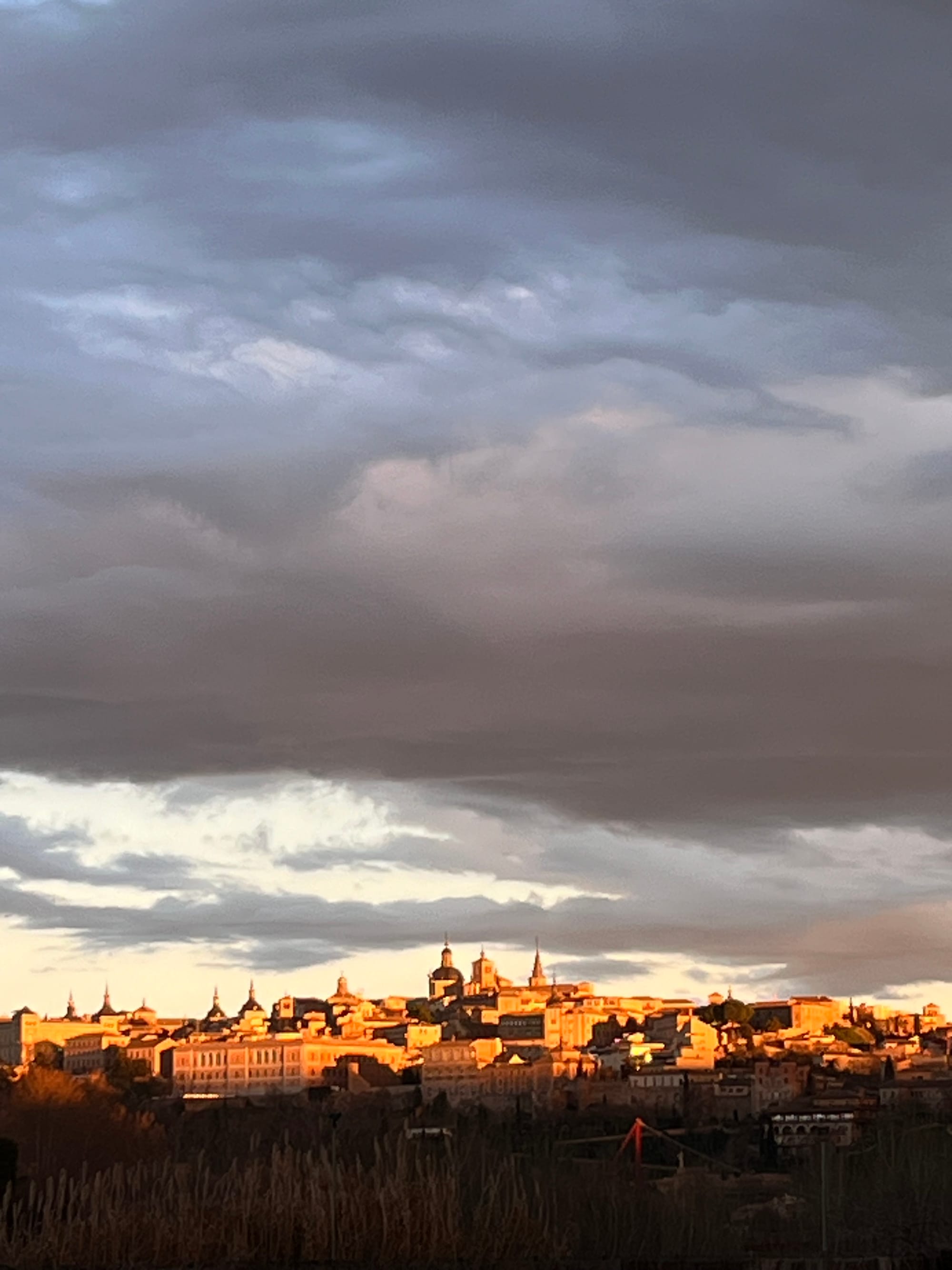
My poor tired legs and me have made it back to the campground bar, I like it here because this is the view as I write here and now. Yes, really. Just looking out the window at this marvellous, exhausting, hidden gem of a city on the hill
(Also I like it because they know me now and have my wine glass half filled before I even get through the door haha)
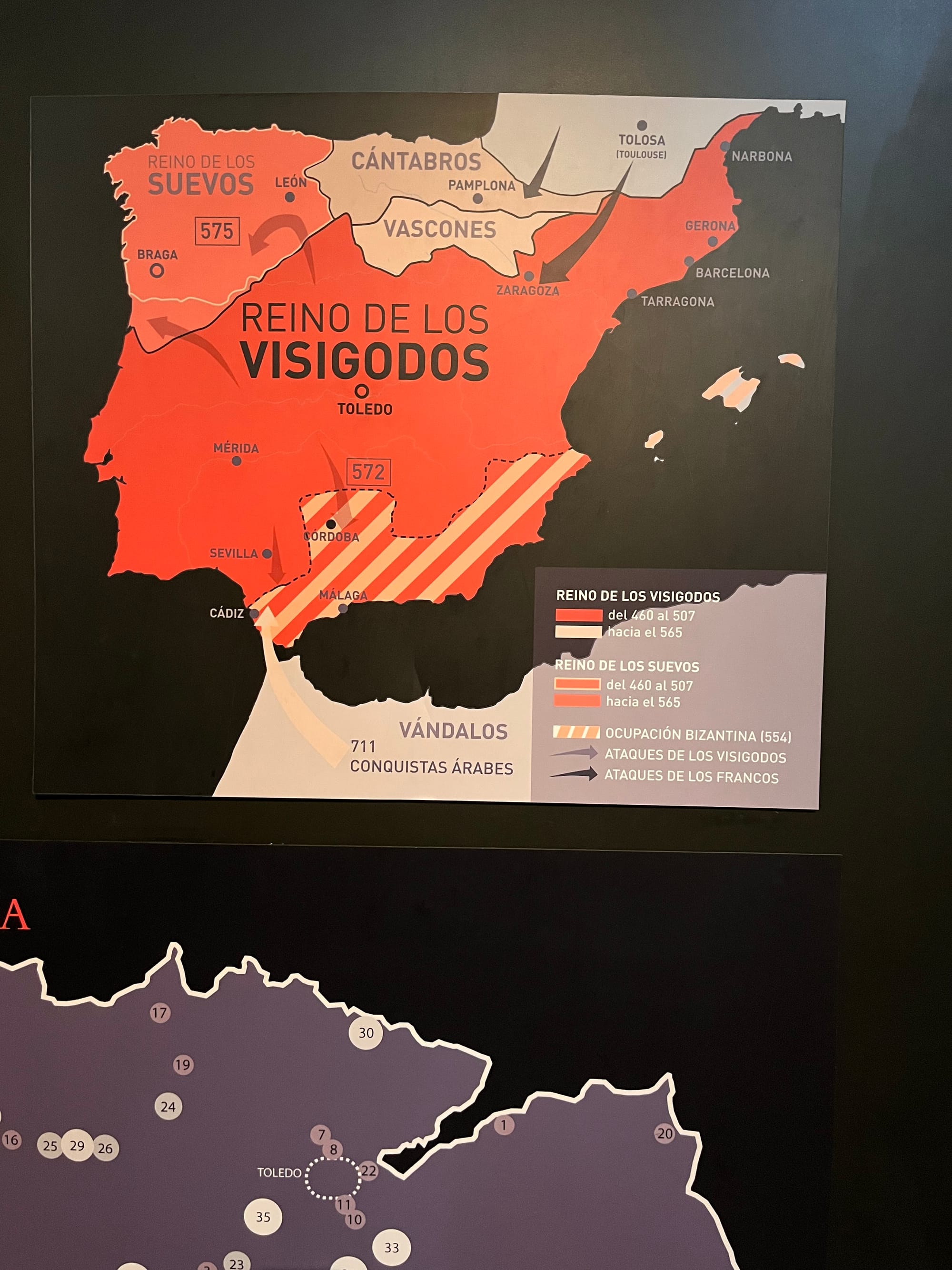
So: my big story for today is visigoths. This city of Toledo was their capital 1500 years ago - from the 500s through to the early 700s when the arabs swooshed in and took over. This is a time of history we never get to hear about, and I’ve learned all sorts of things today
For a start, the visigoths come originally from my home territory in Sweden. We call it Götaland, the land of the goths, and around the time the roman republic was in its last decades, before the empire kicked in around 0-ish, and then the time when christianity was just a whisper, they set off with their furs and sleds and migrated over decades and centuries through poland, ukraine, to the eastern areas of hungary and the black sea. I don’t know why
Until one day Atilla the famous hun turned up in the 300s, and sent them scuttling into the roman empire for protection. Where they were welcome as refugees until they weren’t - and in a moment of despair and frustration trashed the place. Yep, they sacked Rome in 410, and the romans couldn’t believe their eyes. It was the dying days of the roman empire anyhow, but this didn’t help, so the romans said ok fine we’ll give you Gaul, just get out of our hair
The visigoths really only wanted somewhere to live in peace, so it was a good deal. They set up their capital in Toulouse, and would have lived happily ever after, except the franks started pushing them south. In the 500s they finally got some peace in hispania, and set up their capital here in Toledo
Amazing, right? They didn’t need to build a whole lot of stuff, the romans had seen to that. They had picked up a lot of the roman ways by this time, so focussed on getting new law codes sorted out and establishing themselves as top dogs. They had a slightly different religion too, a version of christianity that had been strong in their part of the woods during their long migration- and for a long while they kept that to help differentiate themselves from their conquerees
The roman-hispanics had already adapted the catholic form of faith, the visigoths still had the outmoded one called arianism. I had to look this up, but the basic difference is that catholicism sees god as being a merger of three things: the father, the son, the holy ghost/spirit/soul. The arians saw the son, jesus christ, as being subservient to god. People have spent centuries arguing over this stuff, so its not nothing. Also, catholics do the transubstantiation thing, where the bread and wine of communion really is seen as the body and blood of christ. Complicated, seemingly meaningless, but centuries of blood have been shed over this too
So the visigoths got on with their lives, happy to have a home at long last. Until the byzantines and the arabs come sweeping in over the strait of gibraltar keen to get a piece of this place in the early 700s. They got less than 150 years of peace after many hundred on the road. They then just quietly disappear: some soaked up into the new moorish world (which is said to have been quite tolerant), some regrouping on either side of the pyrenees until, eventually, they could do the reconquista. I never heard of any of them returning to the snowy forests of southern sweden haha
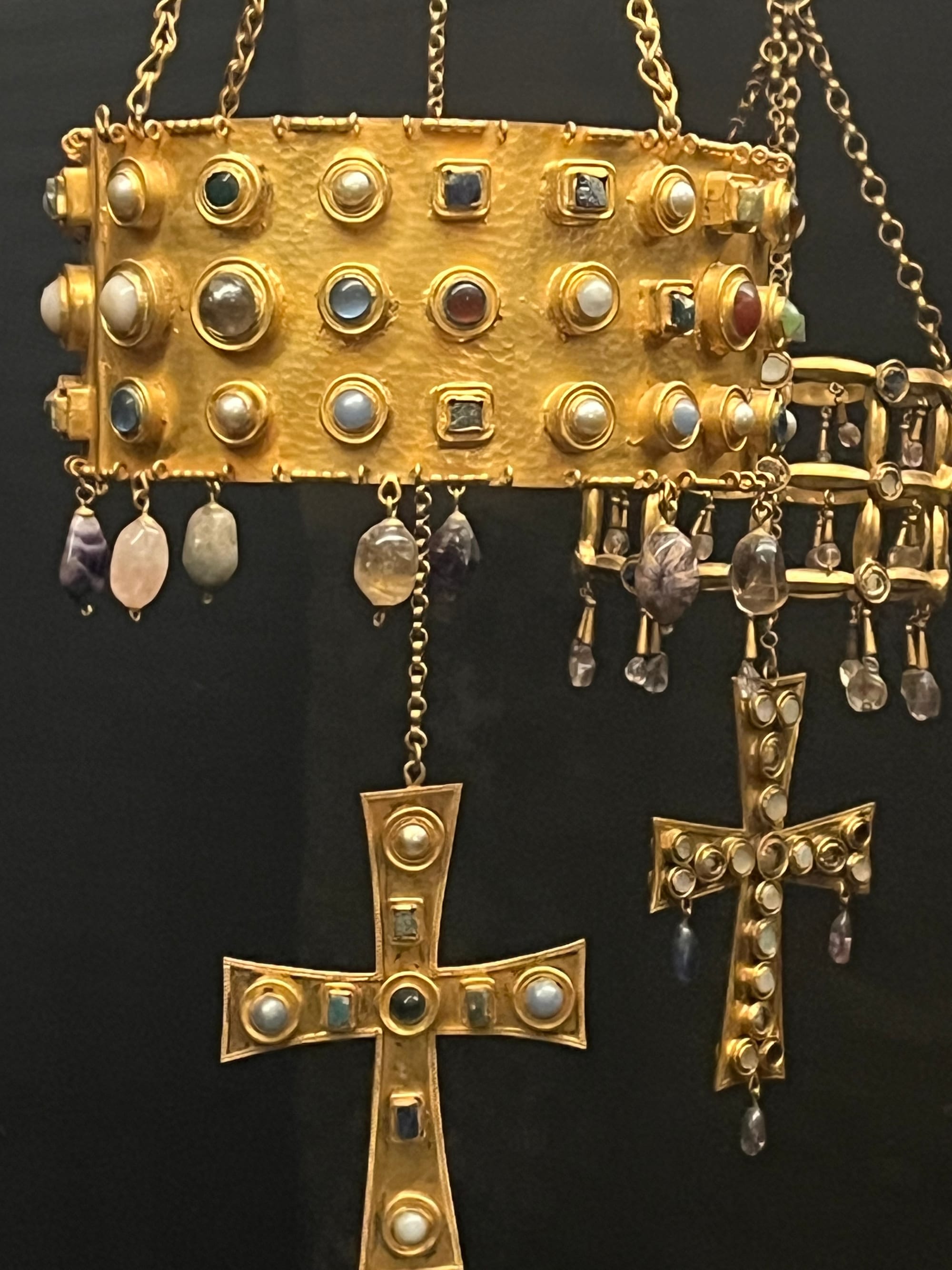
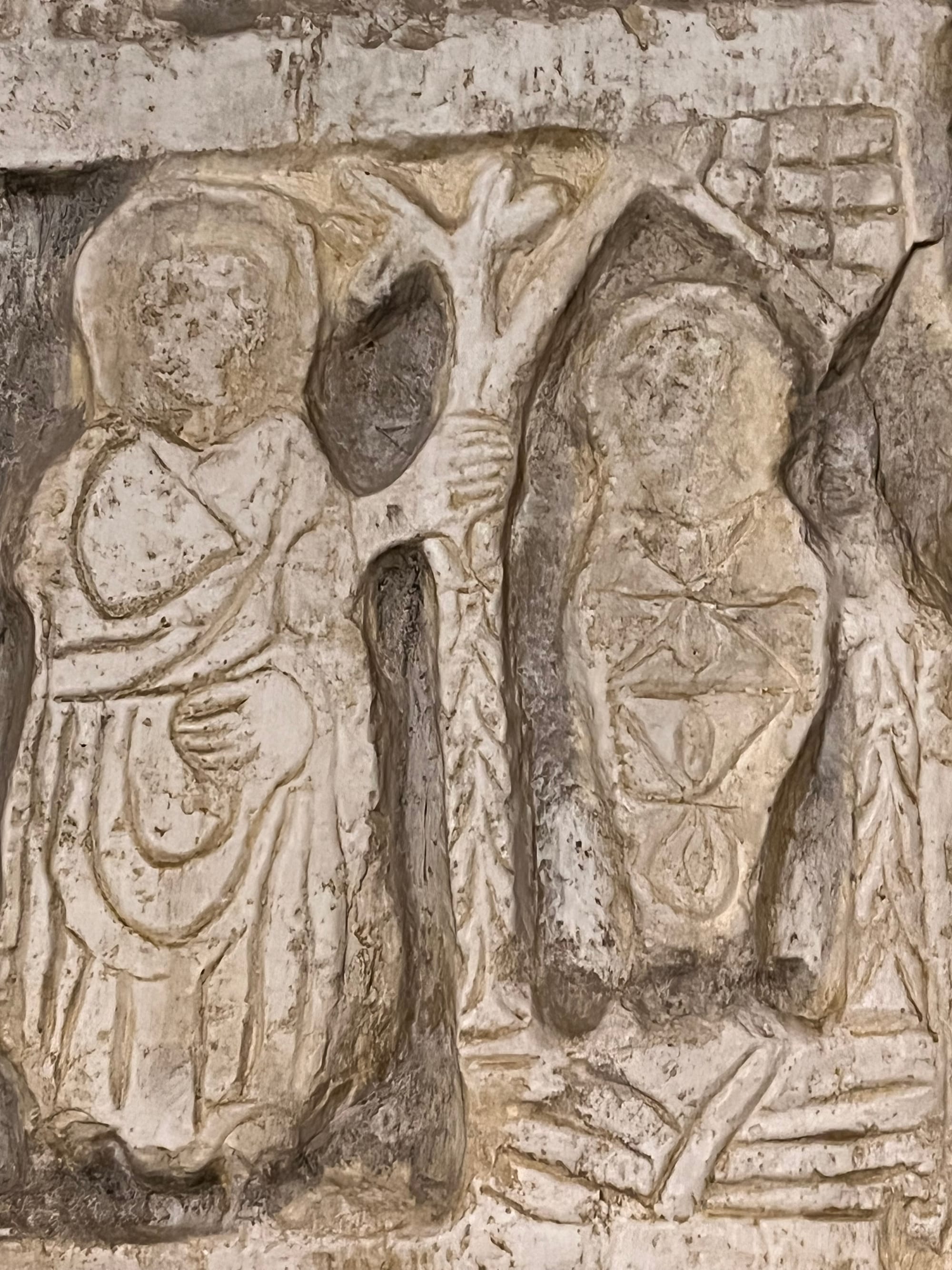
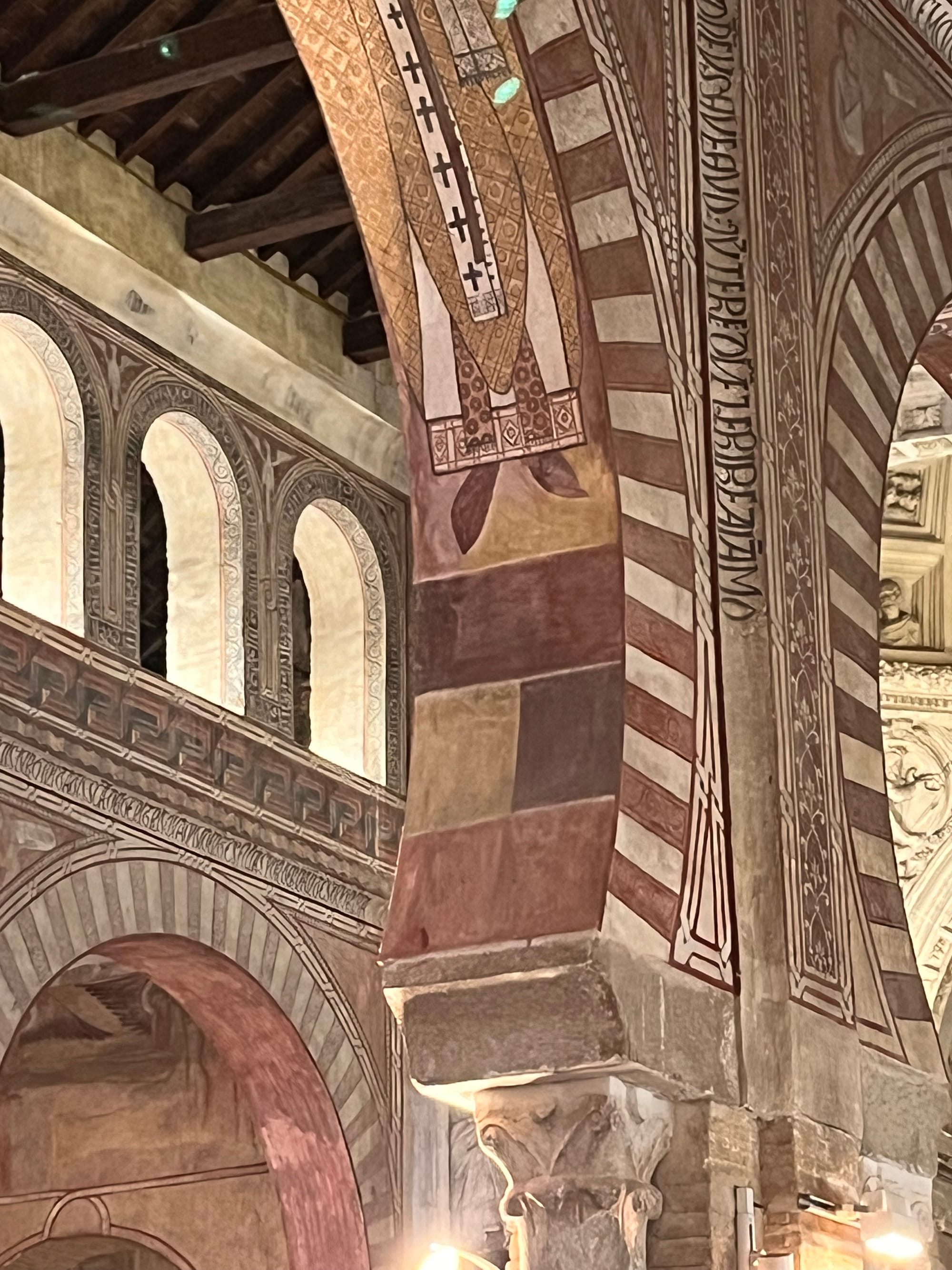
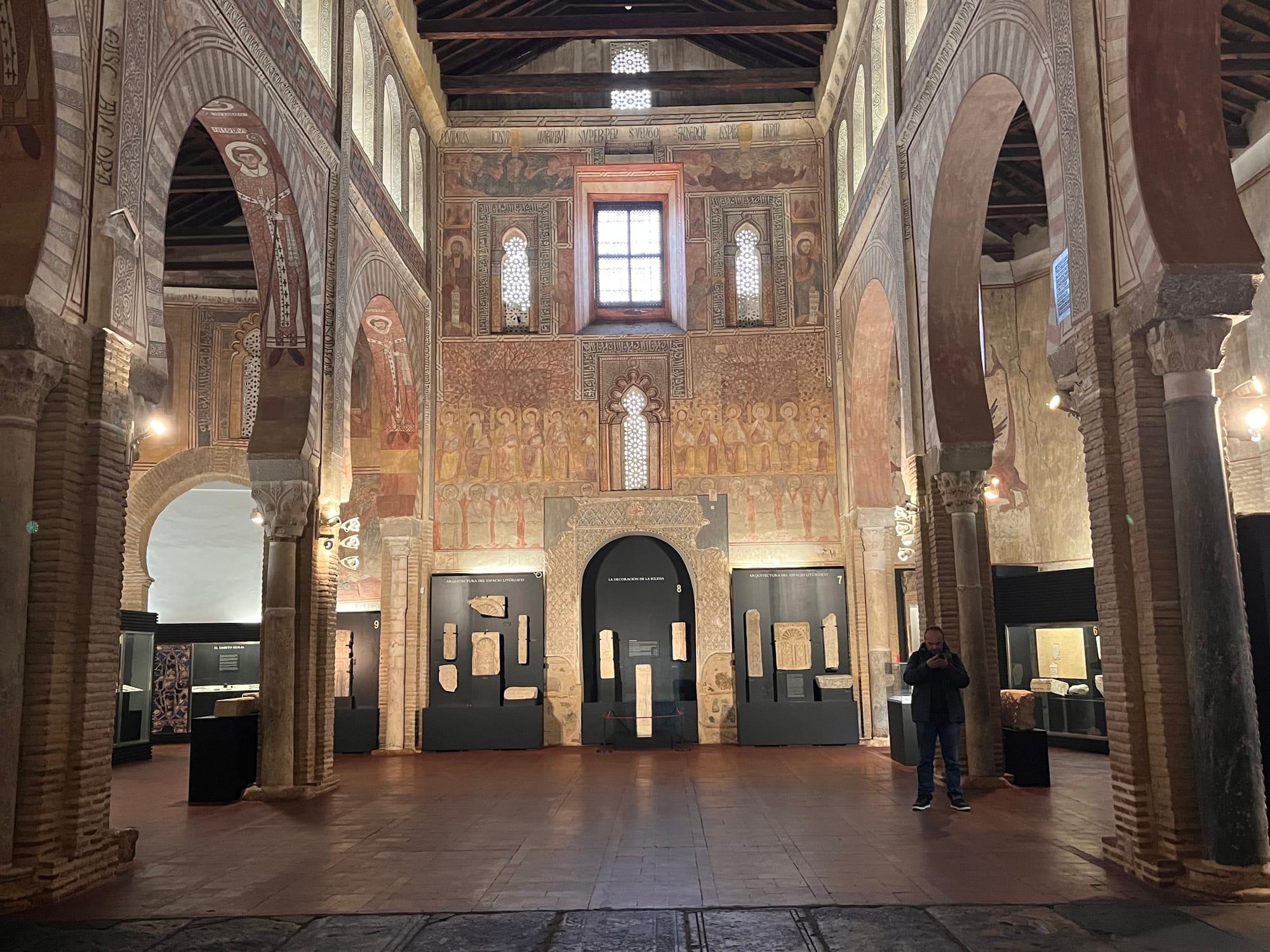
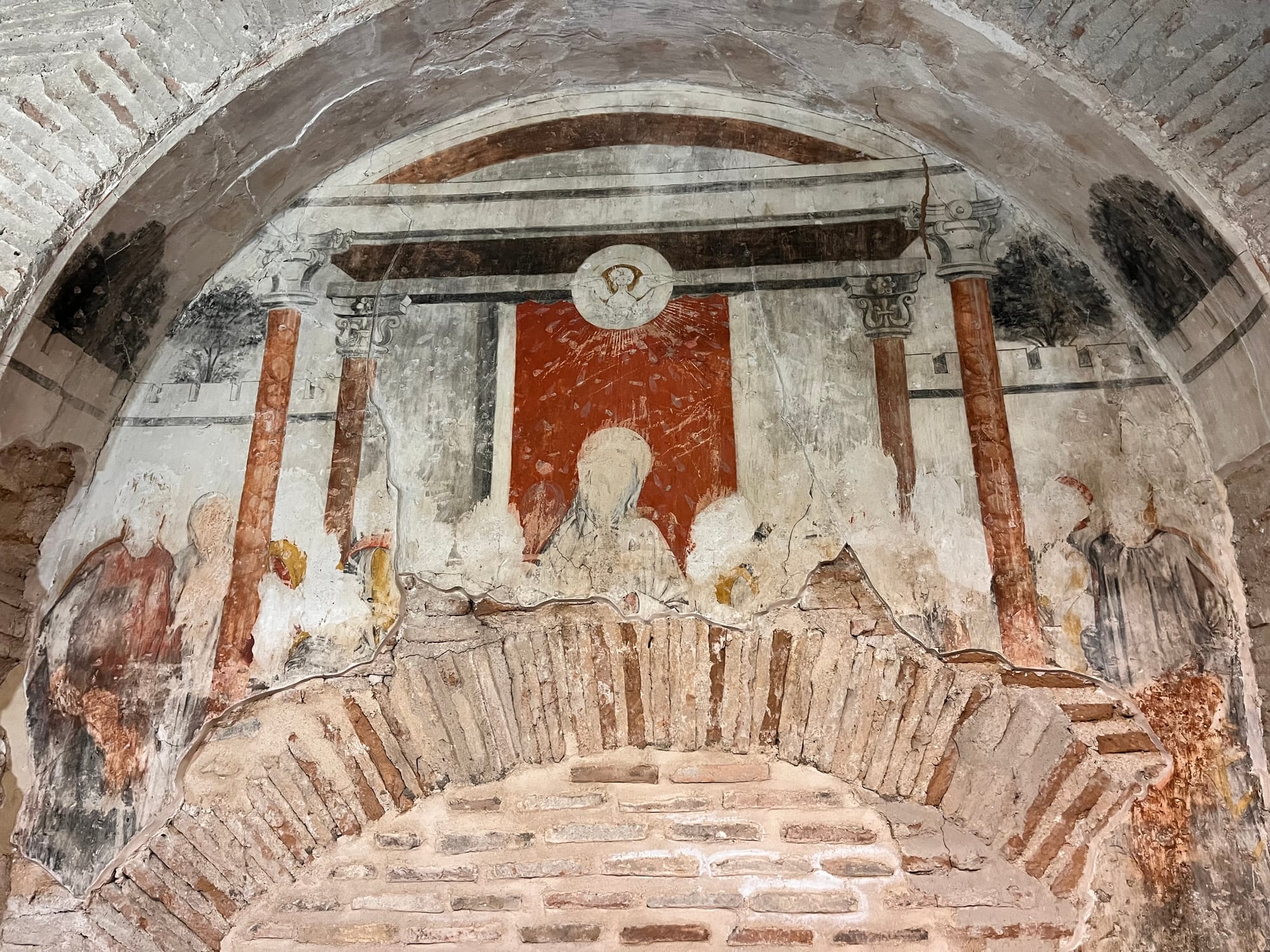
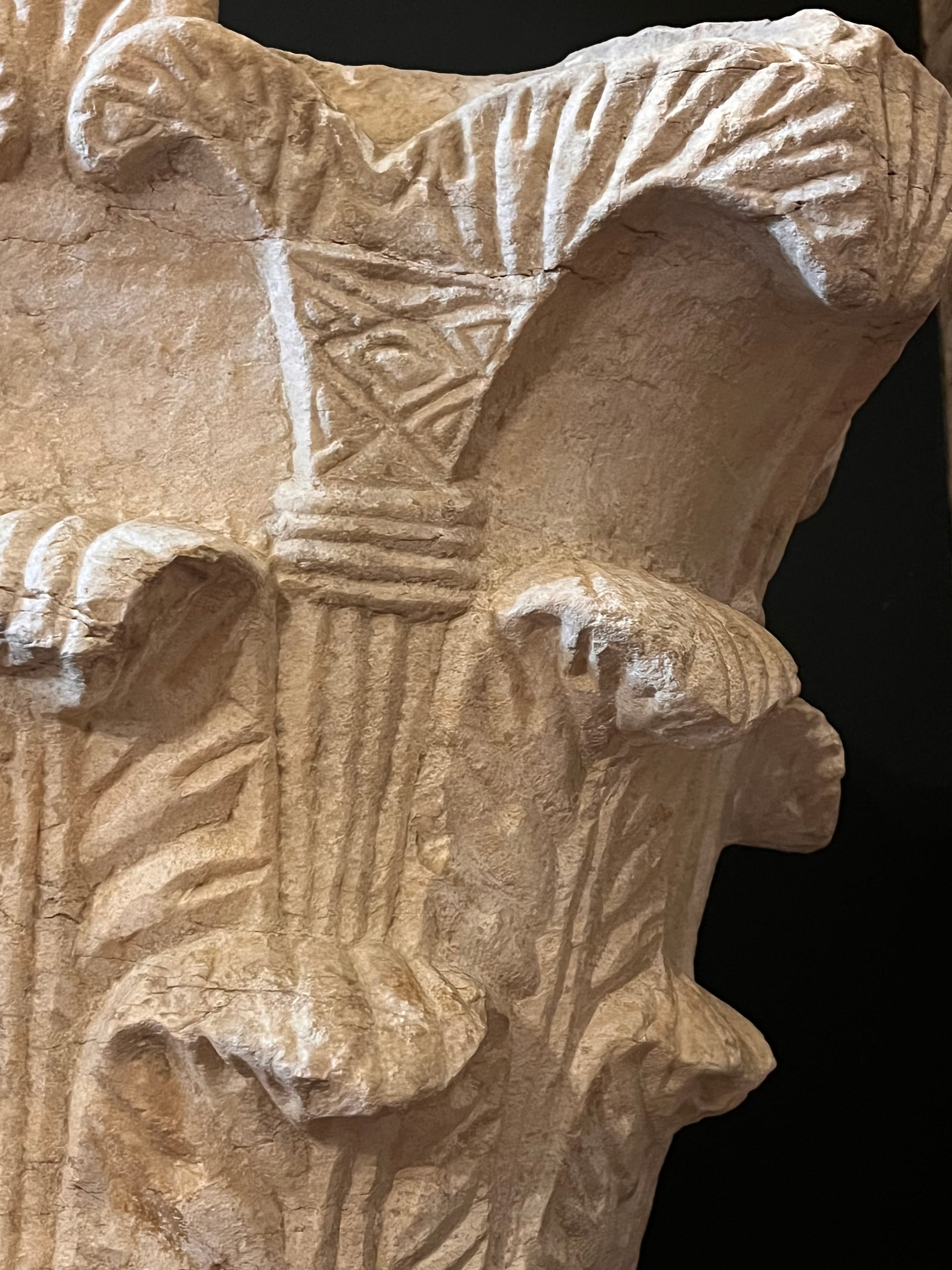
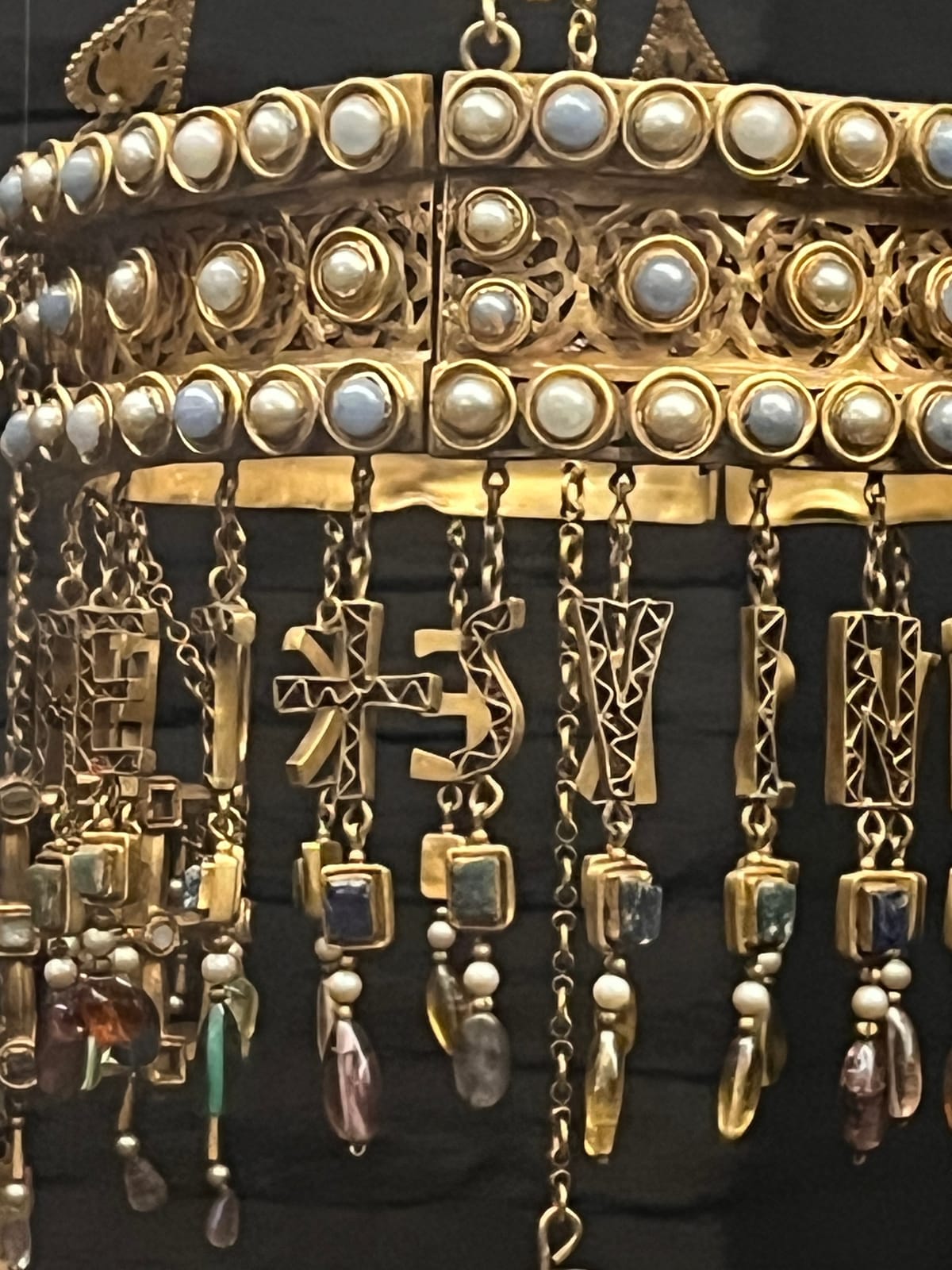
And today I got to see a museum-church full of visigoth pillars, belts, buckles and swords, pots, paintings and pedestals. Blew my mind, because you hardly ever get to see this stuff from the early middle ages. What we have traditionally called the dark ages, not because they were uncouth or uncivilised, but because there just wasn’t much material evidence. A lot of this is from local archaeology round the area here, but one would assume there’s way way more still buried under churches, fields, houses and roads - probably we’ll never know.
The stories are fantastic, anyhow. You just need a good imagination!
(The museum is in what has since been called the Church of san roman, pretty much in the middle of the old Toledo)