The final battle of the gauls
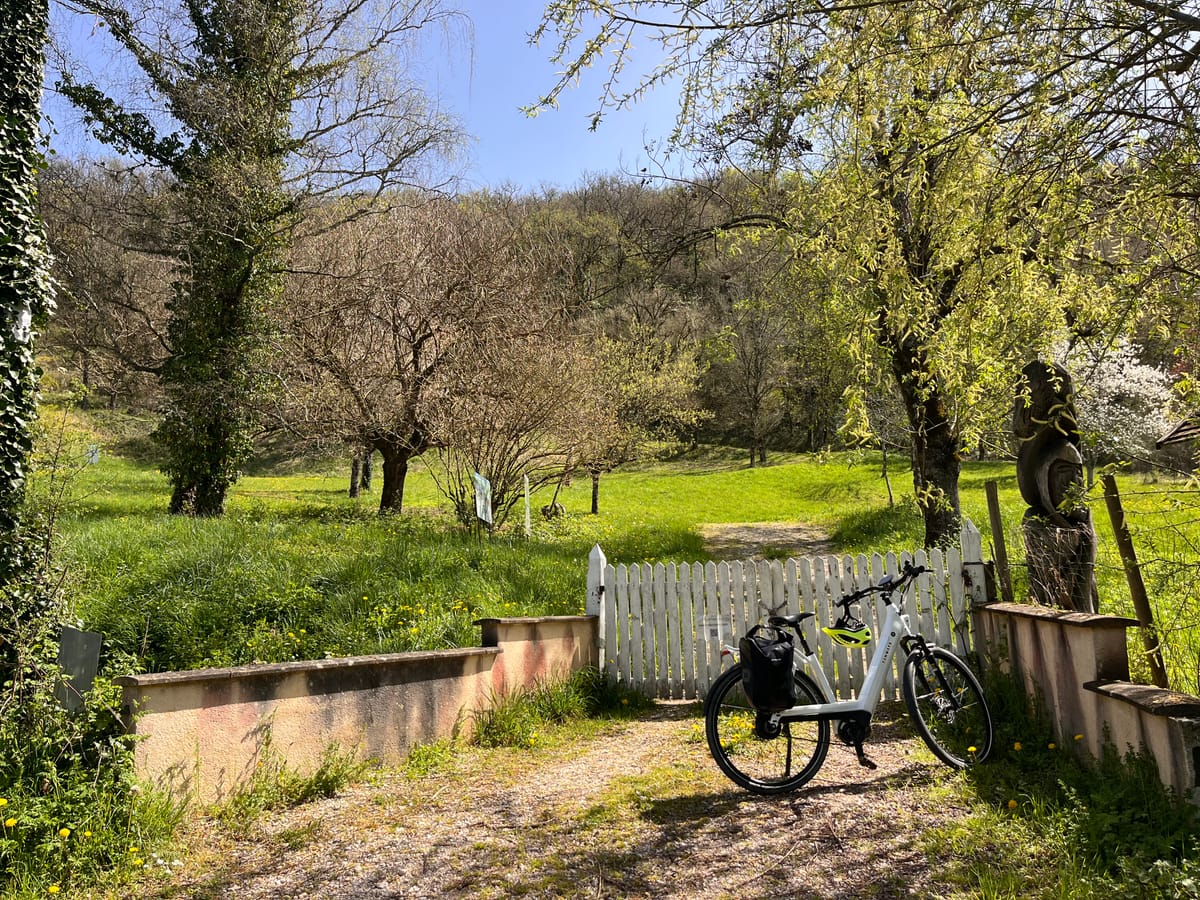
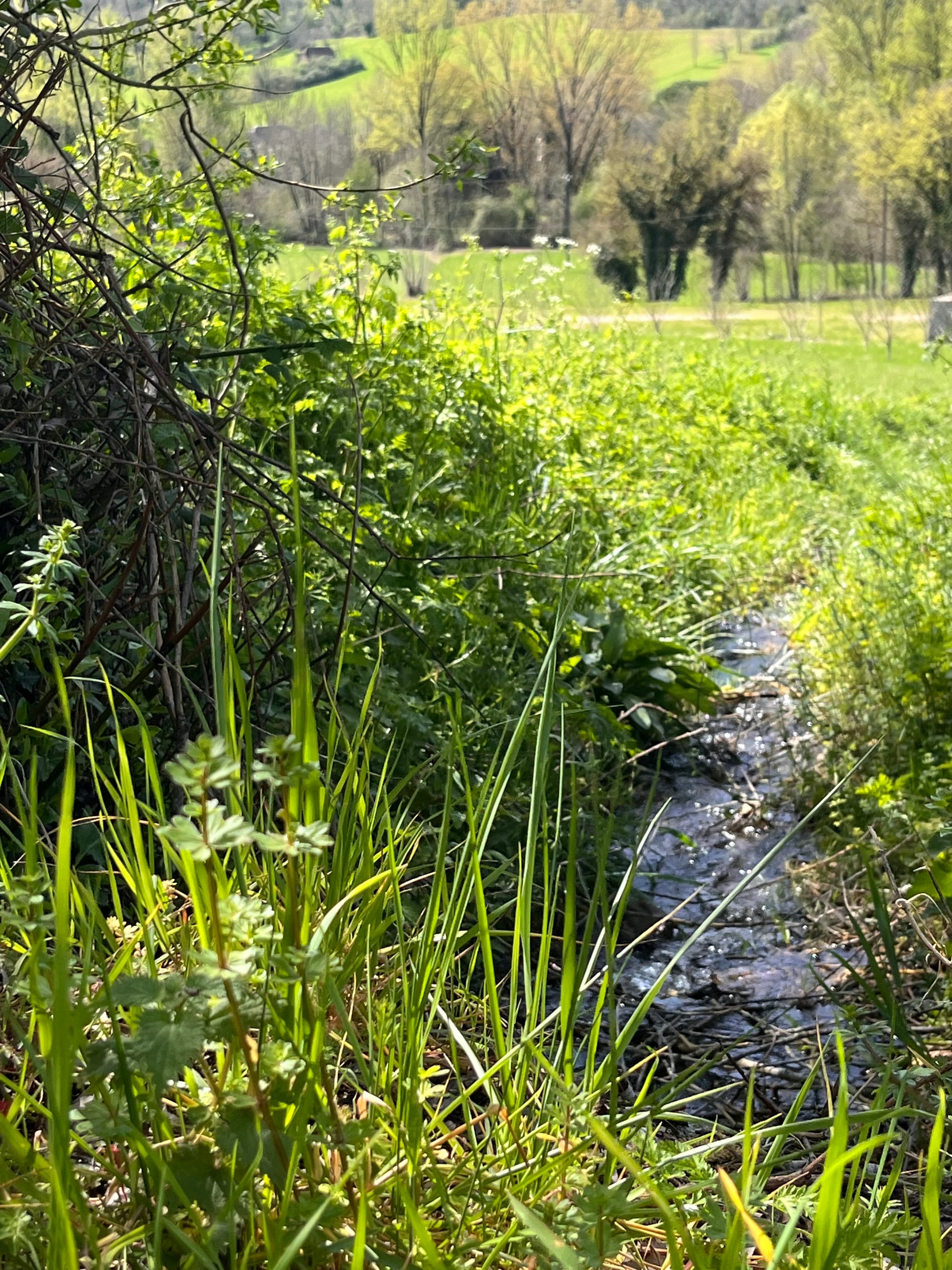
There’s a tiny trickle of a creek running down this hill, and believe it not it’s one of the most historic in France. Obviously I’d never heard of it until today or I would have been excited for weeks.
But it turns out it’s the creek that lost the gauls their empire. Yes, really!
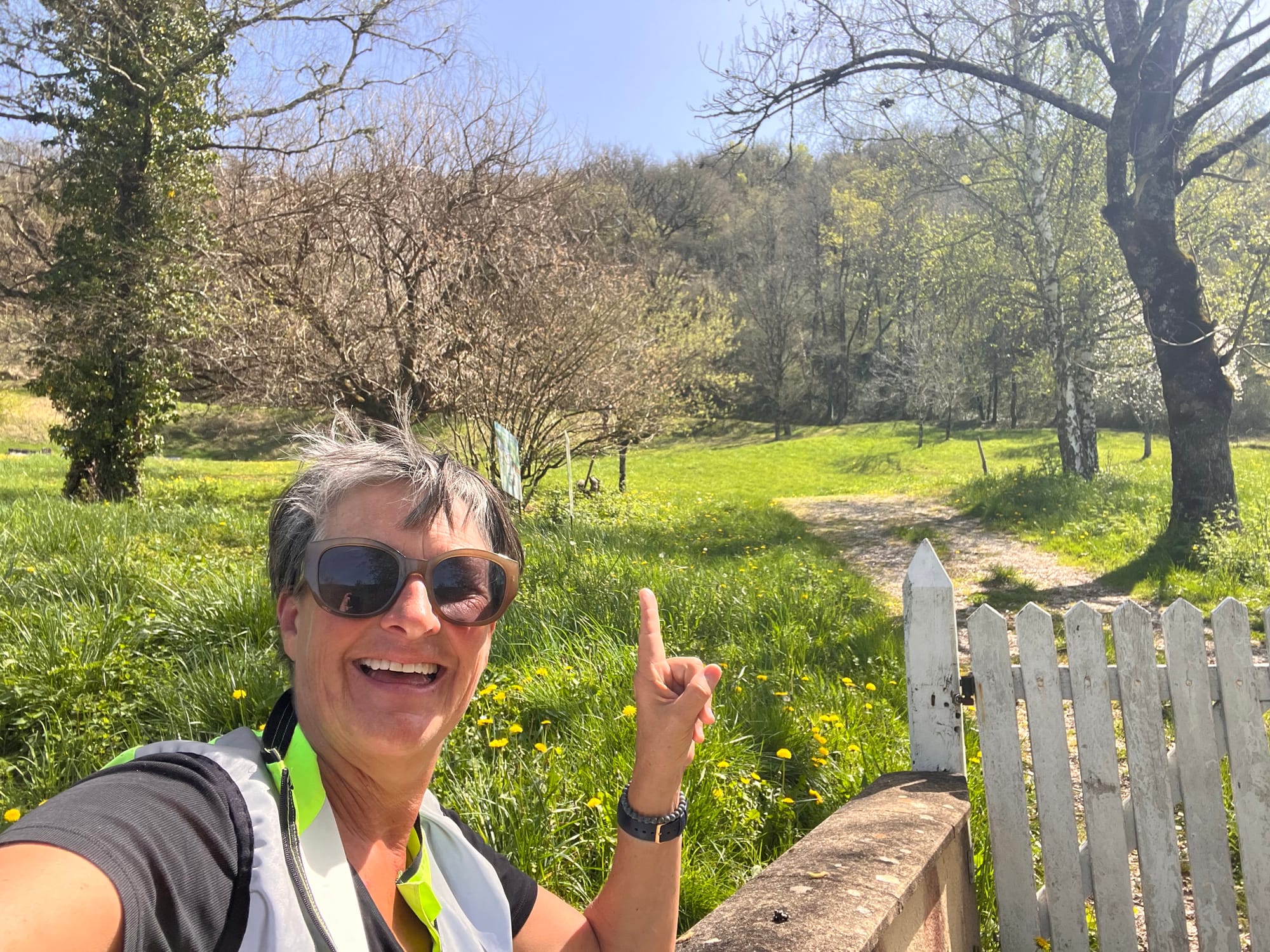
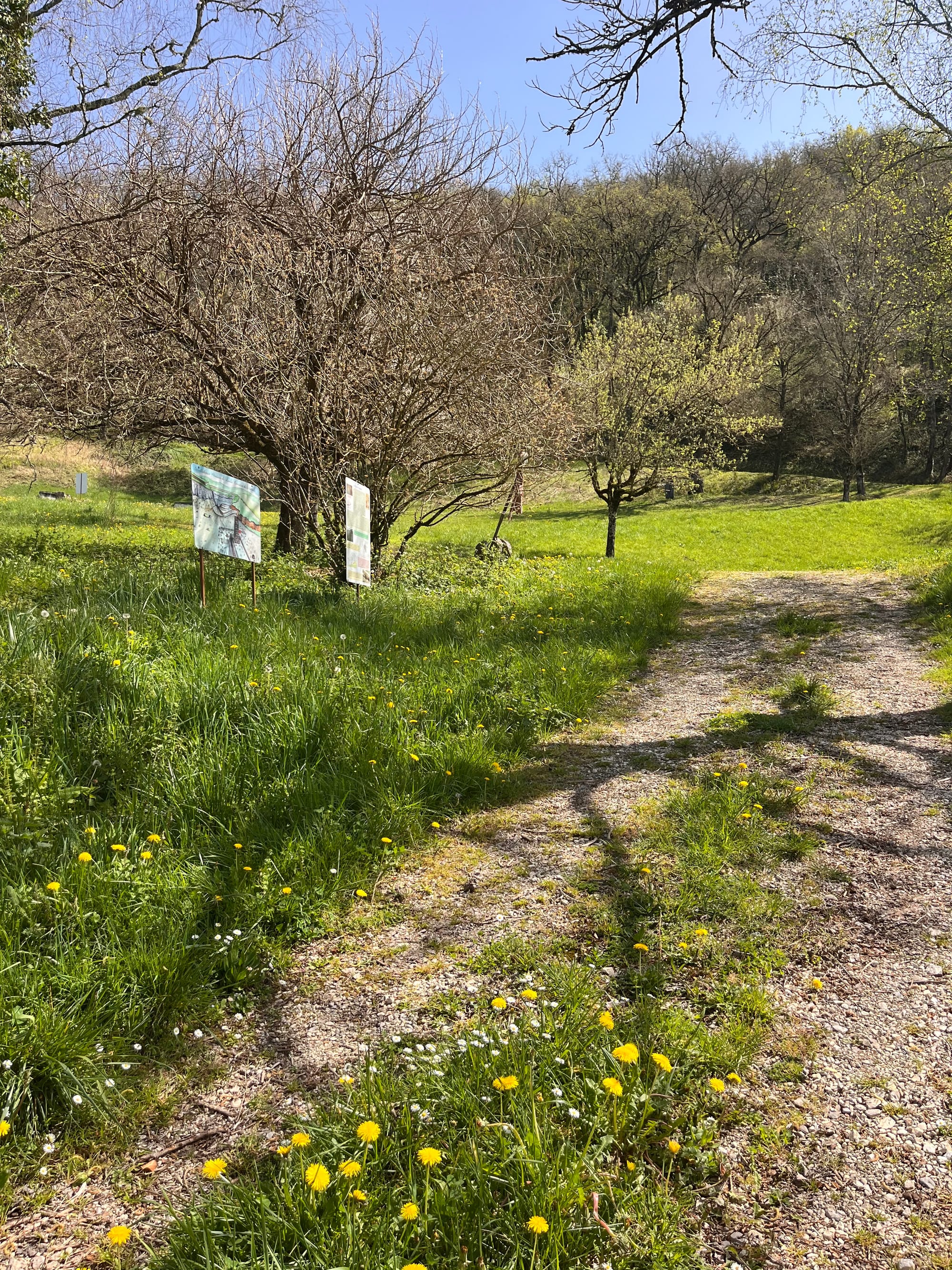
So after a really rather nice bike ride (cruising downhill, spring flowers, pretty villages), Selma the bike and I turned up here, at the ancient gallic oppidum, as hilltop forts were called in those days. And: it was closed. Very closed, by the look of it, but never mind.
It was called Uxellodunum, and here on this rocky hilltop was the very last stand of the gauls against the roman conquerors. Julius Caesar was running the show, in fact he thought he was done and dusted with the gauls after the big siege at Alesia the year before (if you remember I was there very early on in this trip, it’s up in the north of France). Alesia was 52 BC and its when Vercingatorix the big chief got toasted. (I have trouble not visualising Asterix but I’m sure he was far more noble.)
But some of the gauls got away, and while Caesar was busy directing the rapid construction all over Gaul of roman-style towns complete with baths, theatres, butcher shops and retirement camps for soldiers, these guys sneaked up to this fortified hilltop fort here and prepared a last stand for their country.
The hill itself is perfect, it’s on a high, round, rocky knob, with a flat top and a clear view over the valleys around. They had a wall around it, lots of weapons, and a spring. A good water supply is key to surviving a siege, and they did hold out well, for three months.
There were apparently some 20,000 of them up on the fort, including support crews and families. When the romans turned up, they numbered around 15,000, engineering crews included. Tricky. The romans had a massive great wooden tower to help them, but the genius stroke (all Caesar’s idea of course, and maybe it was) was to tunnel and dig and actually divert the water from the spring down to the roman camp, so the gauls couldn’t get at it. No water = game over. Surrender. And: the end, finally, of the gallic wars.
Caesar showed no mercy on this one. He had the hands chopped off every person who had held a weapon. In the days before social media, this was a longlasting way of advertising to the world that resistance was futile. Submission, please.
Caesar had been far from Rome for a long time by this stage. He needed to get back and shore up his victory with the boys in the senate. Do his victory parade, get the robes and regalia due the head of the roman republic. Only, he wanted more than that.
This is when he goes rogue, and starts a civil war: 49 BC he crosses the Rubicon on the way back to Rome, which is an actual river in northern Italy. He was technically not allowed to do that with all his troops, its a bit like challenging the judiciary in our time. It basically was a declaration of war, and dragged Rome into civil war for a few horrible, bloody, years. He played the senate, basically, and at the end of it, in 44BC, he’d crowned himself dictator for life.
The story goes on, but he doesn’t. The dictator thing didn’t last more than a couple of months and he got assassinated, famously, on the Ides of March. By a whole bunch of his colleagues in a real setup job on the steps of the forum. (I went to a lot of trouble to find the spot last year, it’s now an archaeological refuge for homeless cats. But it’s there, still, as a reminder.)
Caesar was a good narrator, and wrote the diaries that have since become the history of the conquest. Only no one really knew exactly where this battle took place until less than three decades ago. They’ve found the remains of the hands, and some of the chopped off arms. Lots of weapons, and some of the siege construction. Really hope they open up the site again, I’d love to go through it.
So, even though it doesn’t look much, this genius bit of rerouting of THIS ACTUAL CREEK really did change the course of history. And led to the creation of the empire part of the roman empire!
Phew.
Really happy I found it.
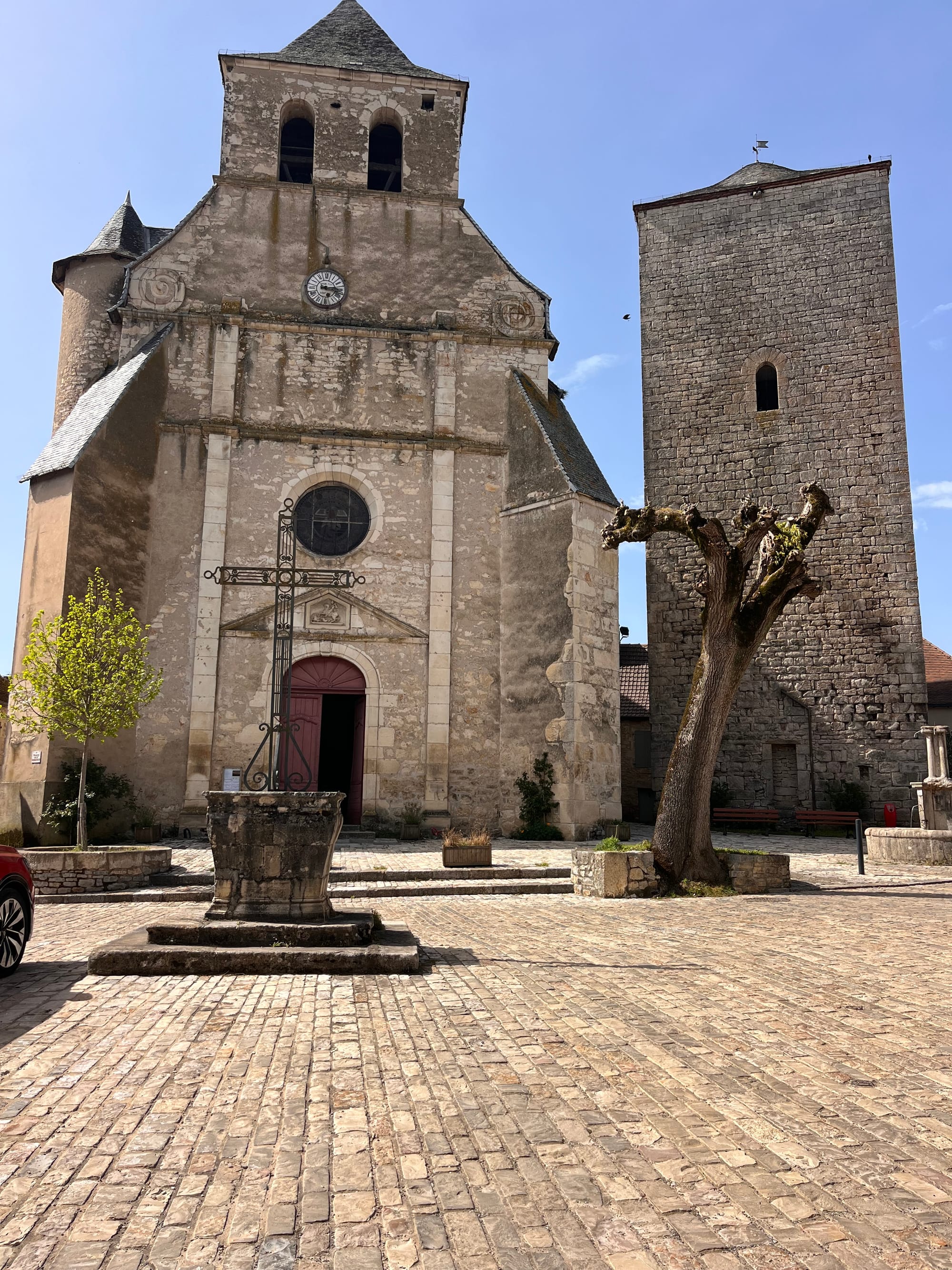
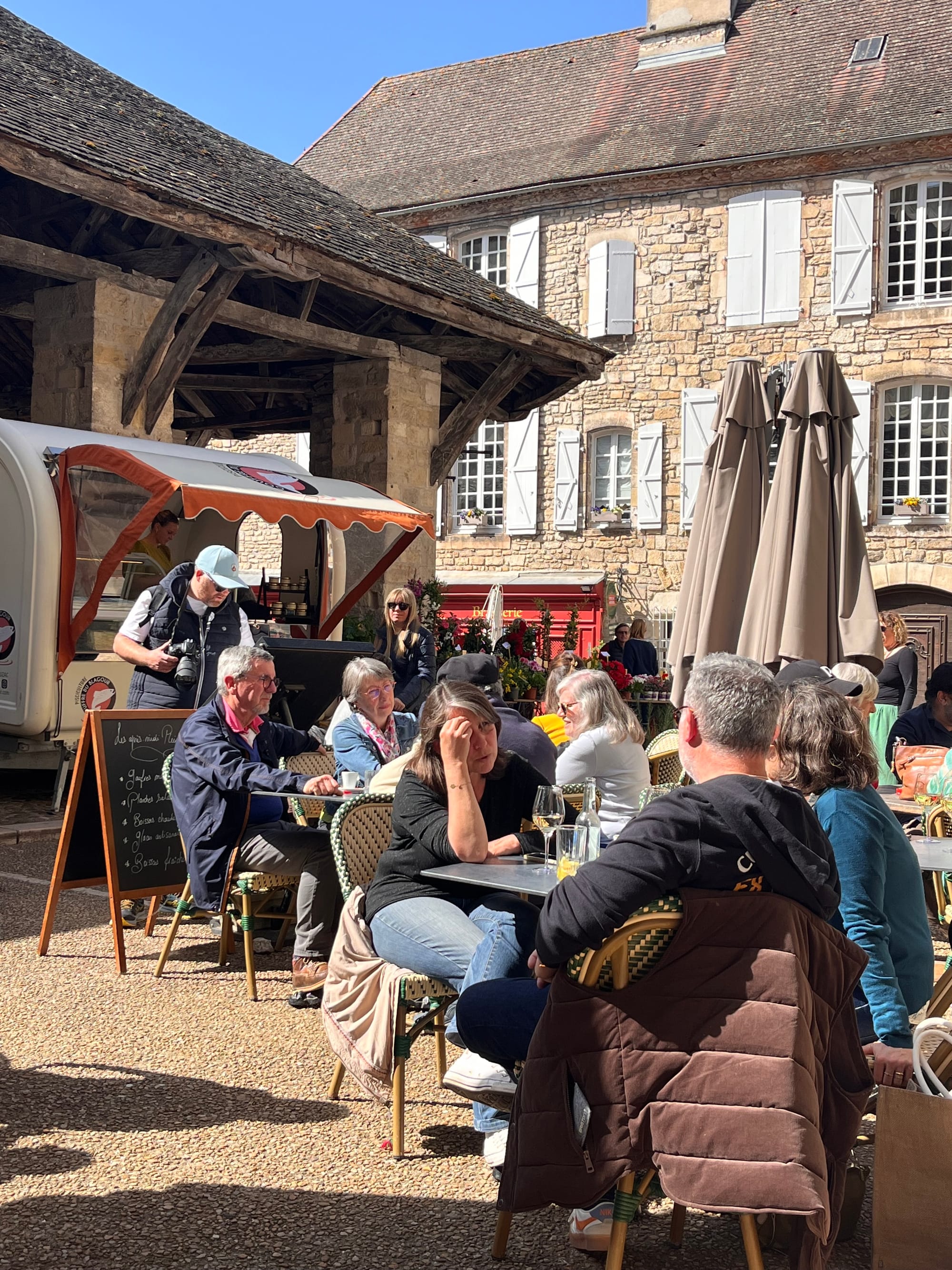
And the bike ride was lovely, I did a big loop crossing the mighty Dordogne back and forth on some old bridges (more medieval villages, small rivers, and ancient churches with defence towers) - and landed back in the town square of Martel for a waffle, a coffee, and oh, um, a beer.
Such a day! And catching the end of the Roman conquest of Gaul was not something I’d ever expected on this trip. So happy it worked out that way!
📍Martel, Lot, France 🇫🇷