The young king that died here in the square

📍Martel, Lot, France 🇫🇷
As I was packing up to leave the campground in La Roque-Gageac, the gardener came over to have a chat on his lawnmower. Semi-english, semi-french, but we managed, and talked about this lovely area of his.
He was really recommending some small town called Martel, so I added it to the route, thinking it could work well for coffee and a wander along the way. And ended up staying three days!
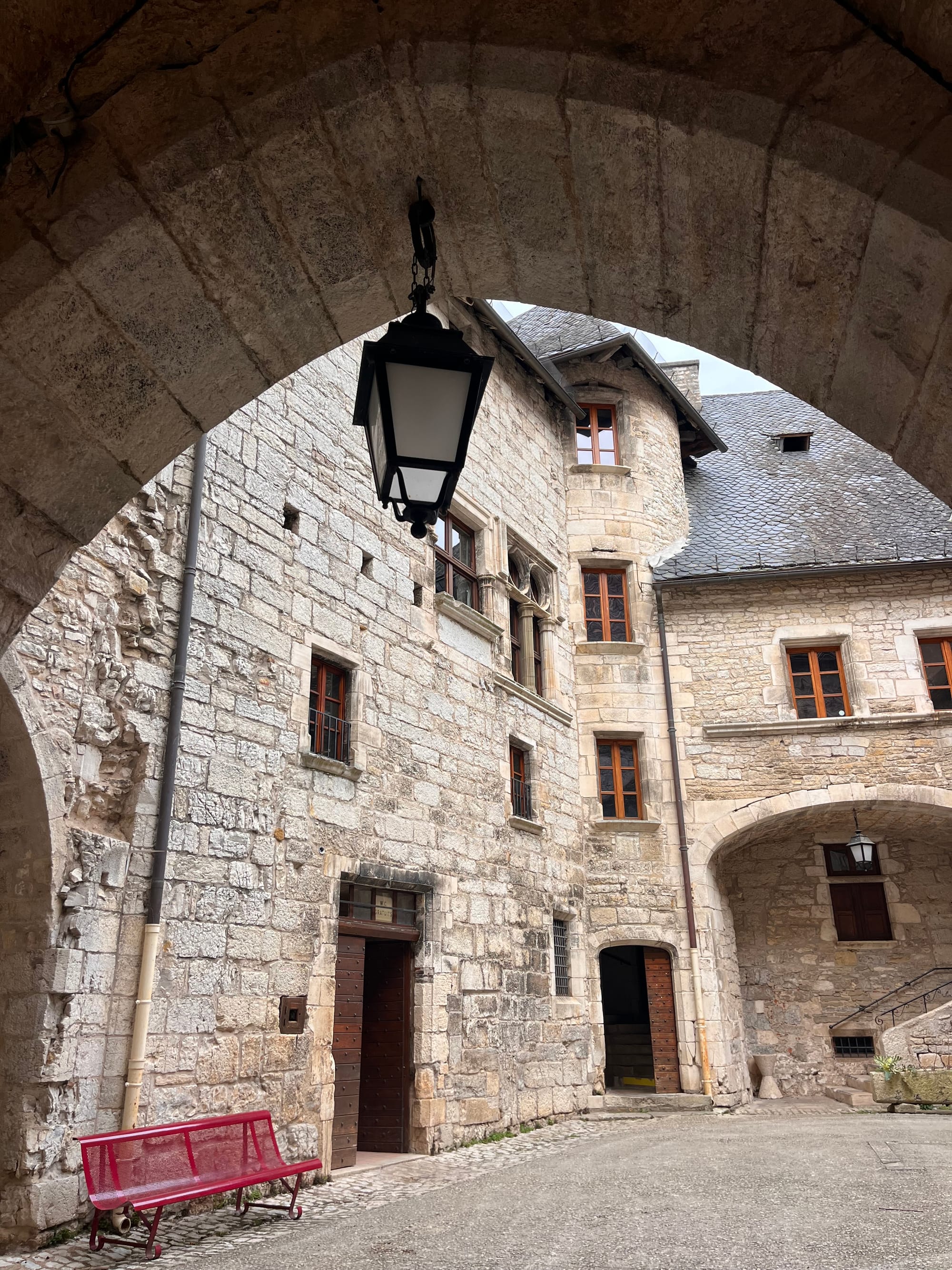
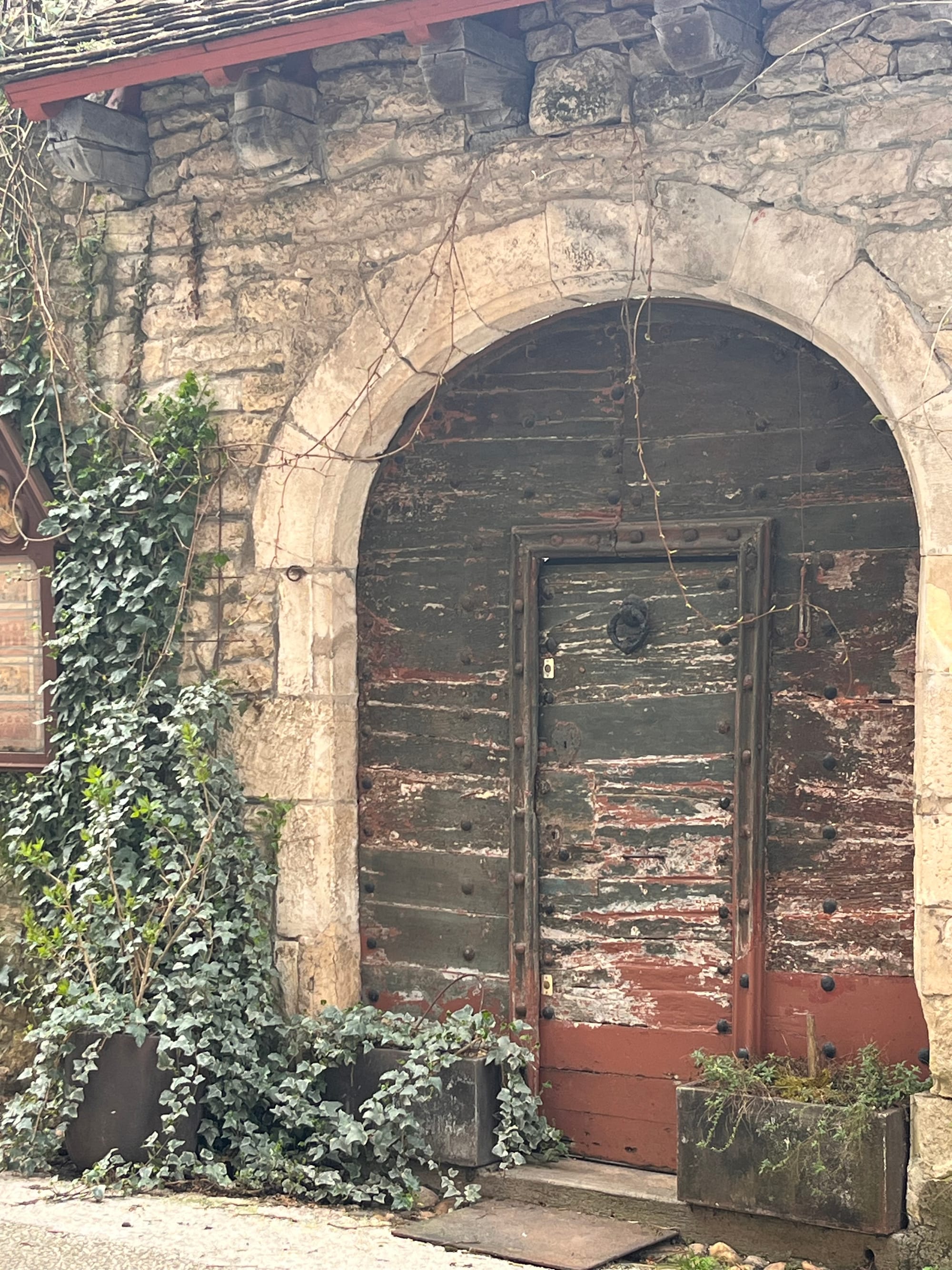
Partly because the van parking was perfect: minutes from the square, clean and big and grassy, and free. But really because the village was super charming, super medieval, and has one big bit of history that came as a complete surprise.
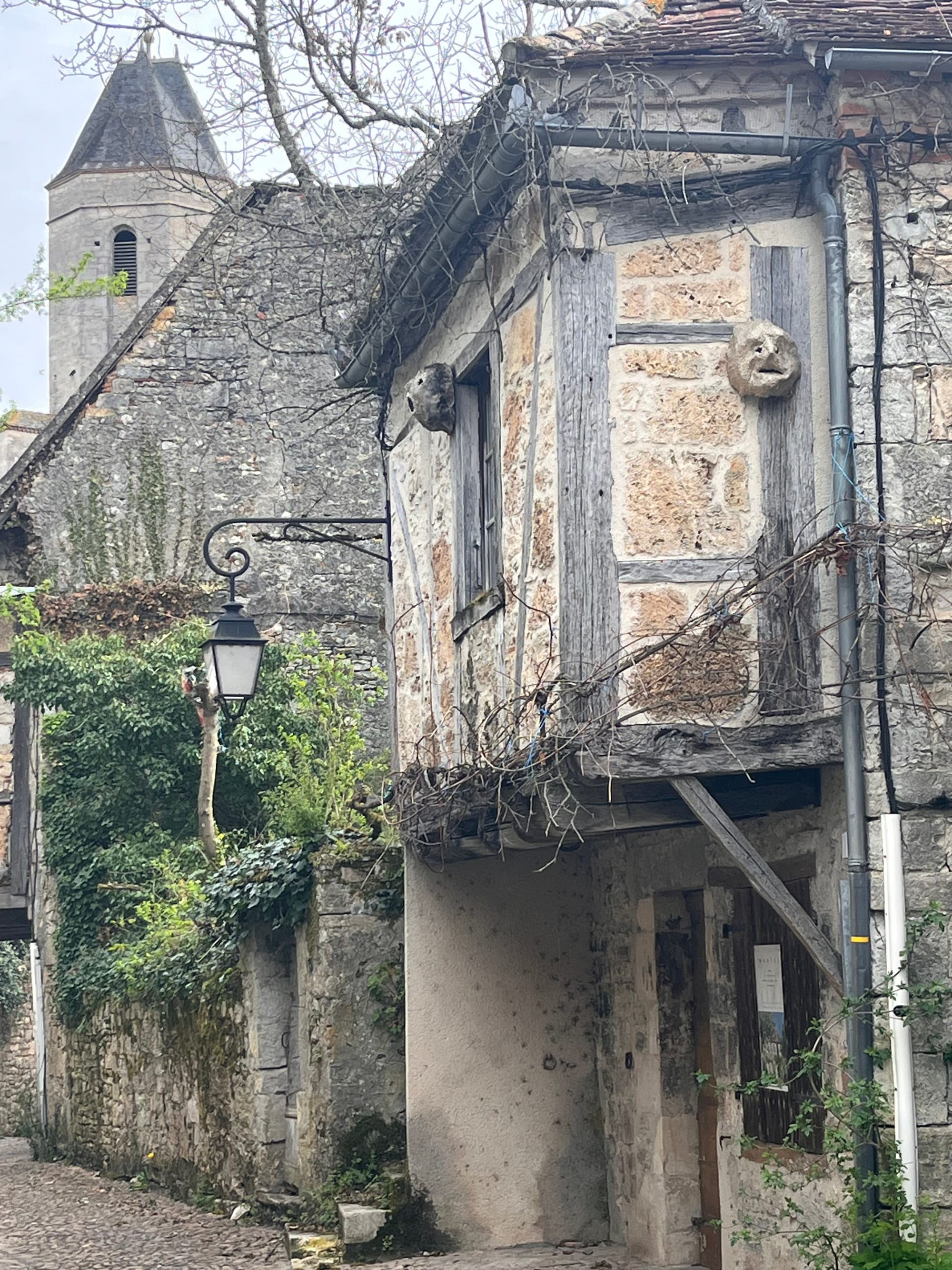
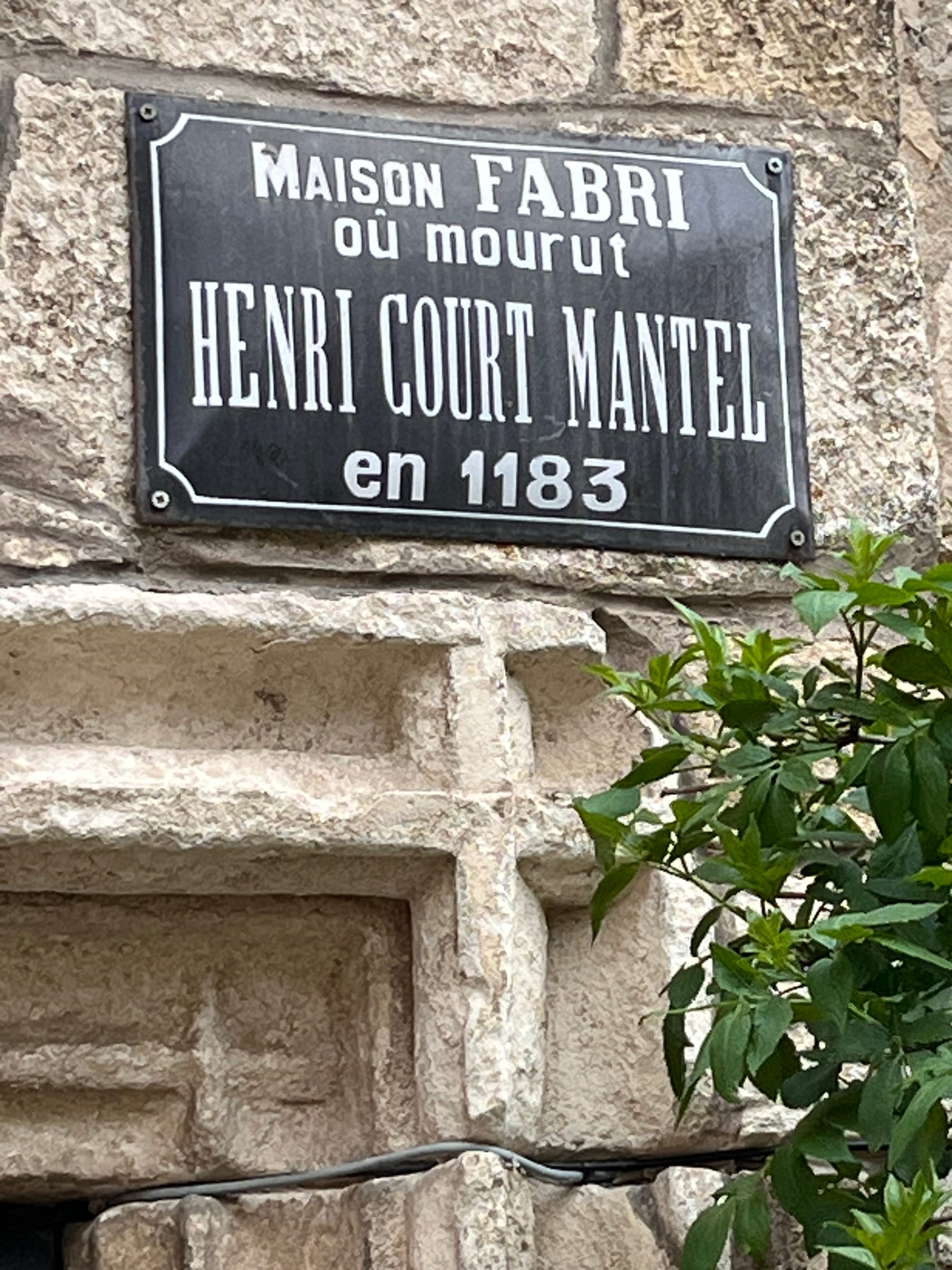
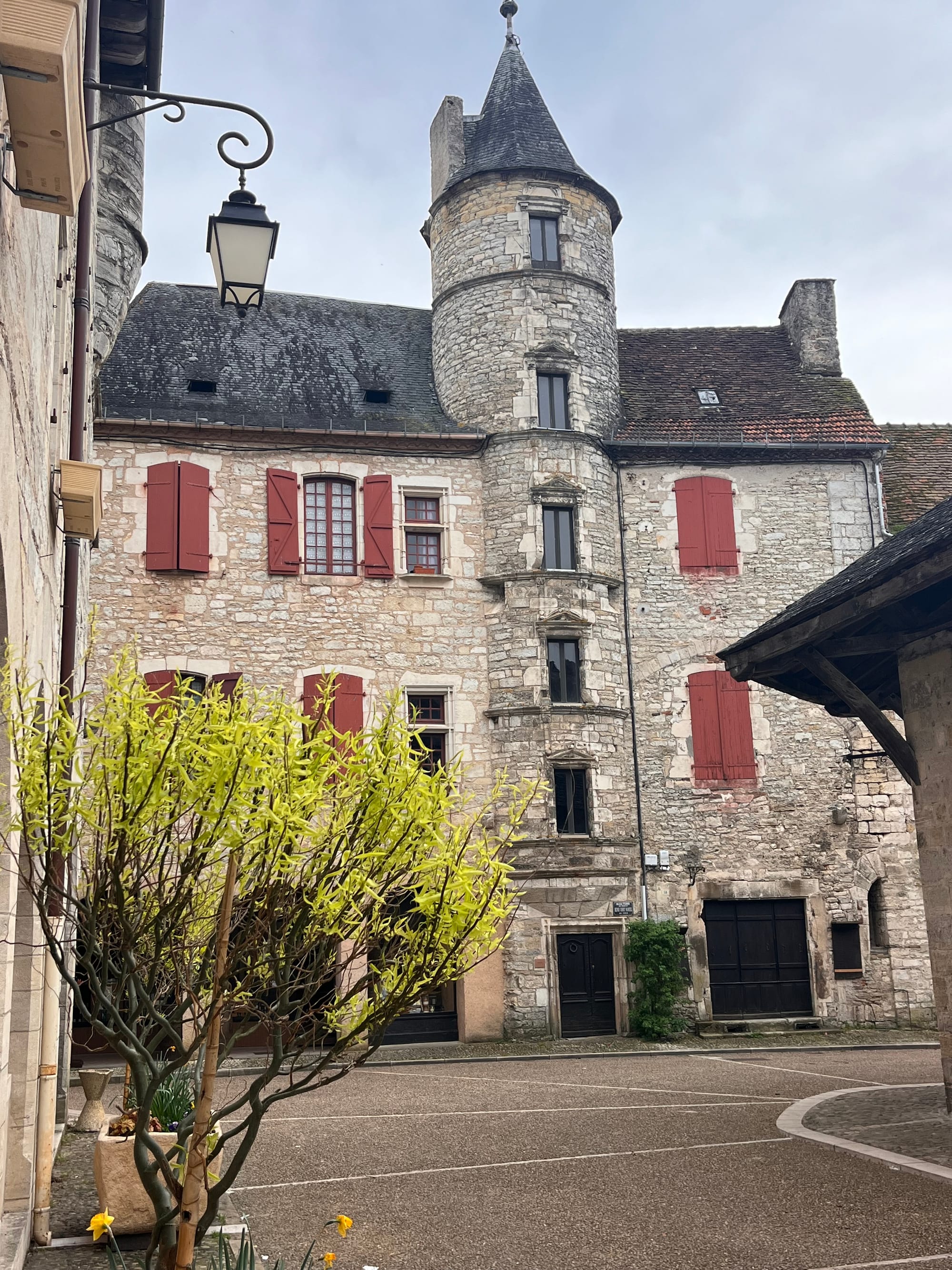
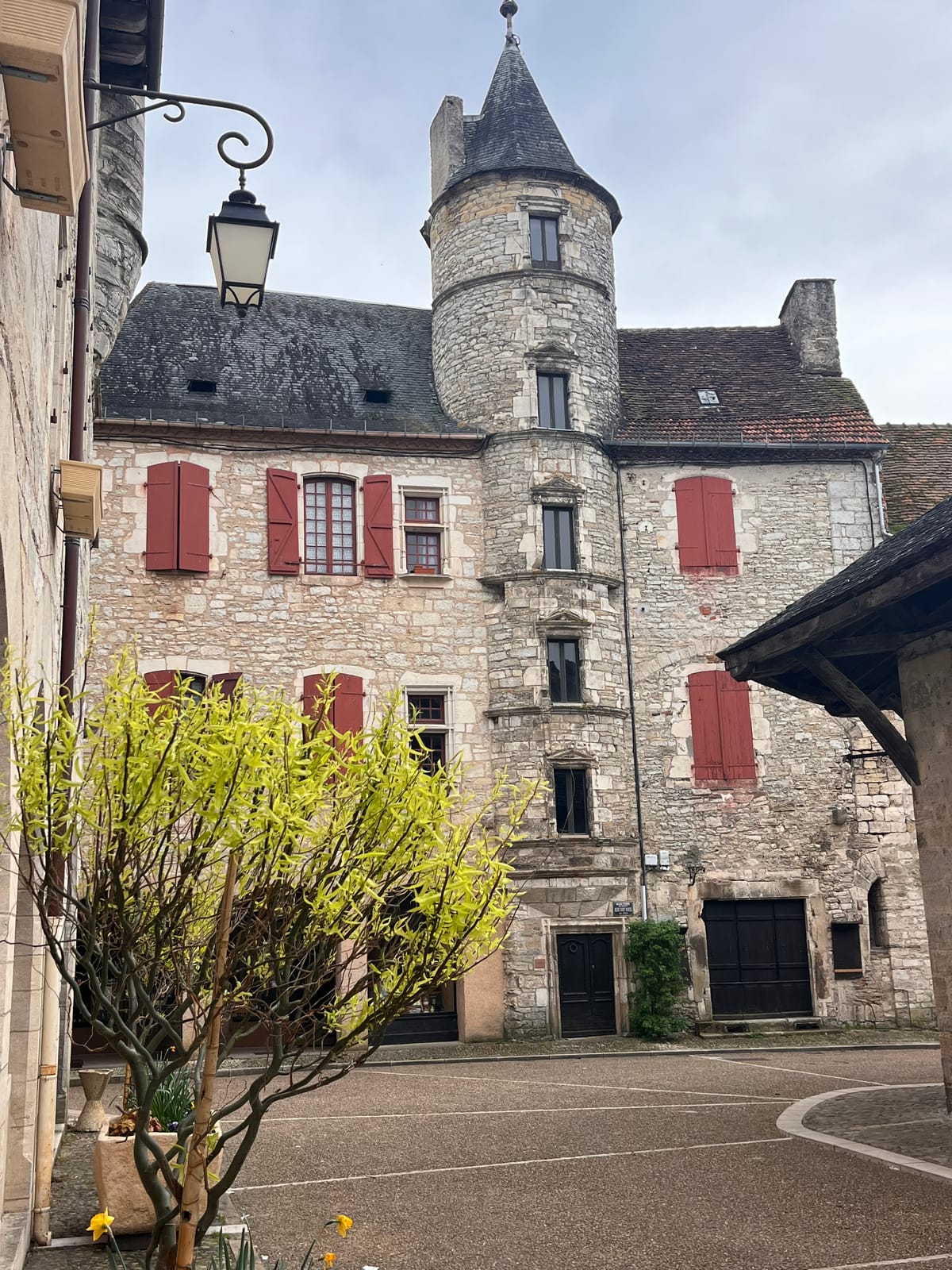
I stumbled over a sign on one of the so very old houses on the square as I wandered, stopped to look it up. Who was Henri Court Mantel, who died here in 1183? Henri of the short cape…?
Well! Turns out it was Henry the Young King, son of Eleonore of Aquitaine and Henry II, king of England. Who would have thought?
He was the second son of Eleonore’s double-blooded brood, and after the first one died, his father crowned him joint ruler, the junior king. Apparently as a way of ensuring the succession. It was an unusual move, especially since the young Henry was only 13, but on the other hand he’d been married since he was five years old! Yes, really! His wife, a french princess, was only two at the time…
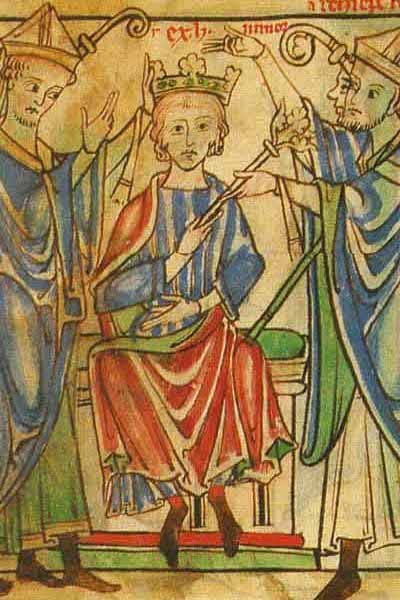
Well, the junior king thing didn’t go so well. By the age of 19 he was already frustrated to have such a meaningless title: a pretty crown but no lands and no authority to speak of. He wanted a kingdom! Not just spend his days jousting, and womanising, and gambling, and waiting.
So he grabbed a couple of his brothers and went to war against his father. Given that this is France and England we’re talking about here, and that they’re all interrelated, you can imagine that didn’t end well. But things settled, for another ten years.
Until he was at it again. This time going to war against his father and his younger brother Richard. Yes, that Richard, the one we know as the Lionheart.
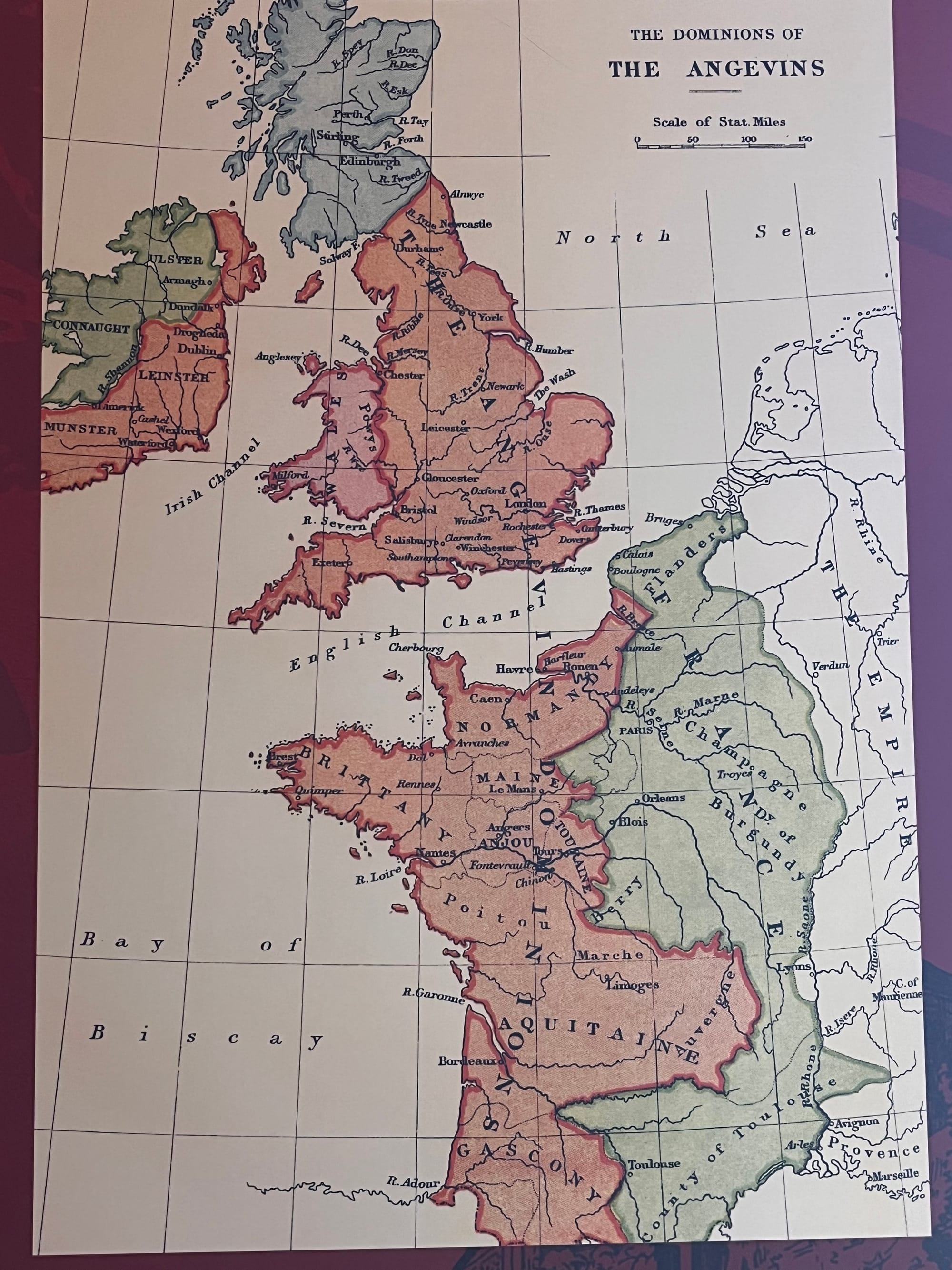
The battles were all happening in this area, the boys had after all partly grown up here in their mother’s duchie of Aquitaine. The territory she and Henry held between them was immense, much of what we now call Great Britain, much of the left side of what we now call France.
Anyway, the ambitious and impetuous young Henry lost the gamble completely - he came down hard with dysentry. They carried him off the battlefield and up here to the castle in Martel, put him to bed in that building I found on the town square. And then he died. On a summer’s day in June, 1183. They buried him in Rouen at some stage.
He had no heir despite being 29 (the marriage had been made more official when he was coronated), so little brother Richard picked up the reins from their father the king on his death a few years later. (Henry II was that king who did the murder in the cathedral thing of Thomas Beckett. It’s complicated, I promise you!)
There really was no love lost at all in that family anywhere, everyone was always at odds with everybody else, and you couldn’t breathe without it being geopolitics. Henry the older even had his wife Eleonore under lock and key for many years!
So the third son Richard became Richard I Lionheart and spent the ten or so years of his reign being on crusade, being brutally efficient, and leaving much of the management of the english part of his kingdom to his younger brother John. Who as we know from watching Robin Hood, was jealous, corrupt, and greedy. He was the one that sorted out the Magna Carta, that great document of english civilisation, although as far as I understand it was pretty much an asset grab for the ruling class. Sound familiar?
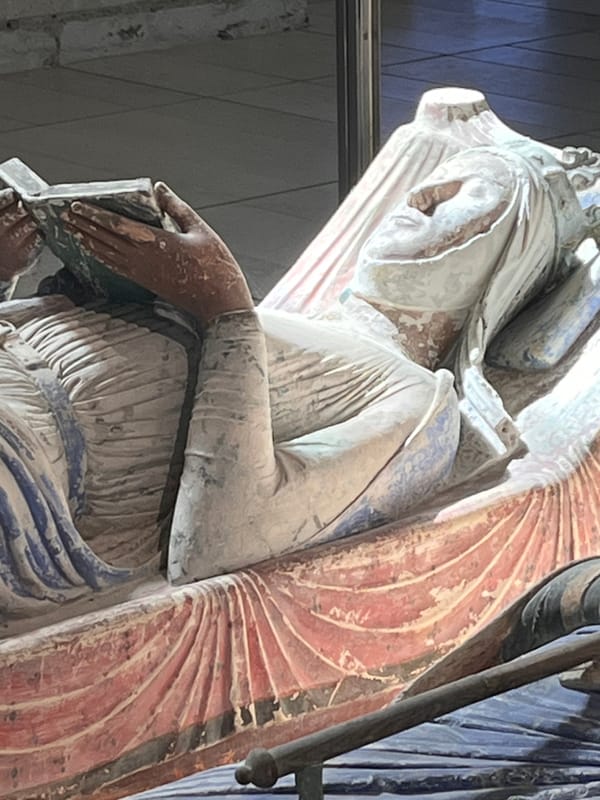
There’s any amount to be said about this family, but they’ll pop up again because I’m planning to go to Poitiers (where Eleonore grew up and was married - twice!), and hopefully to Fontevraud (where Richard and his mother are buried) after that.
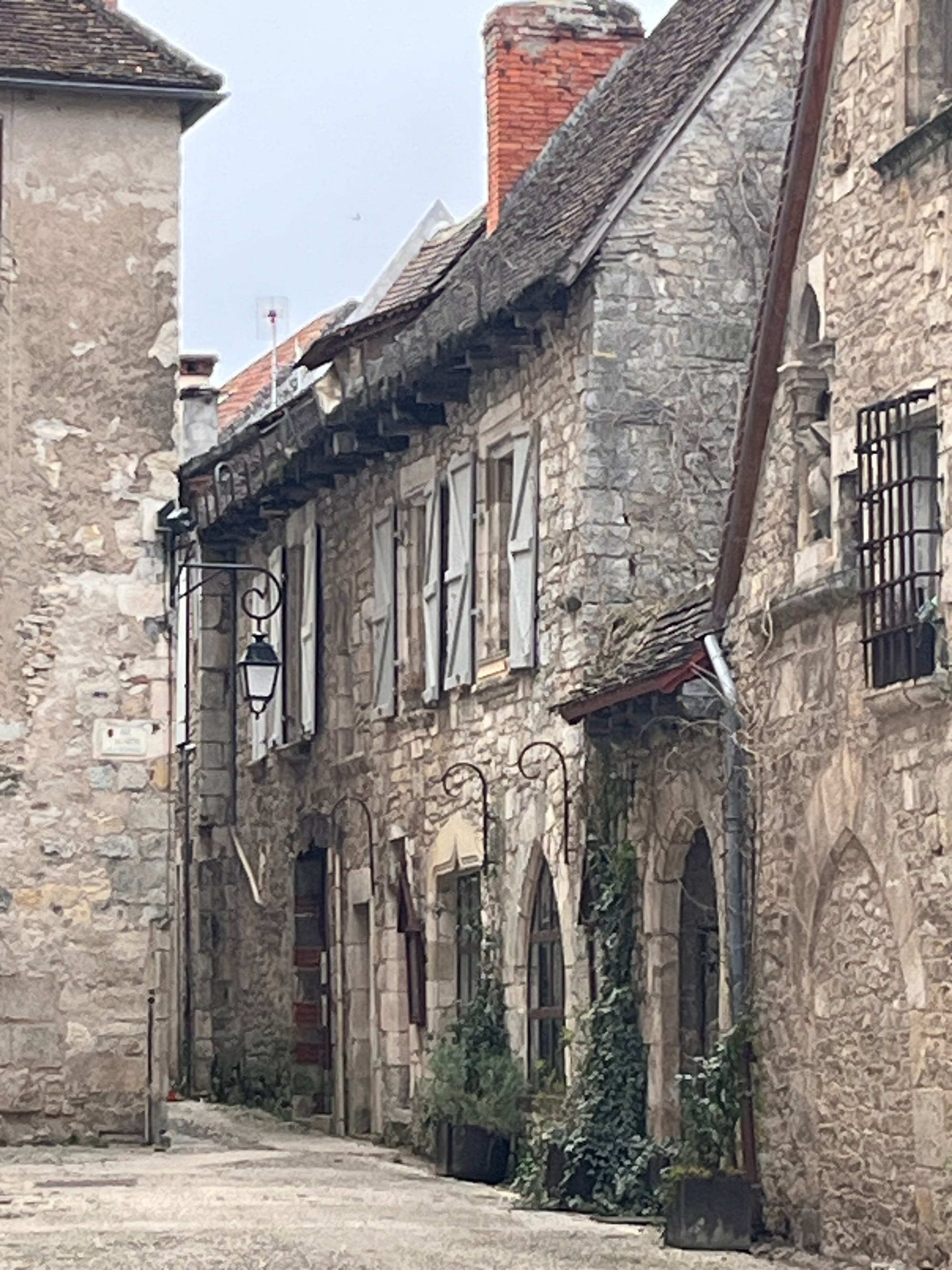
And Martel, I loved it. I treated myself to lunch one day, for me a gourmet treat, sitting in a little lane flanked by buildings from the 1100s, not more than 20 metres from where young Henry laid his head.
I went one day on a tourist train along a cliff to the next village, a minor feat of mid-1800s engineering with tunnels, and steep bridges, and craggy cliffs. The train used to be a transport artery for truffles and walnuts!
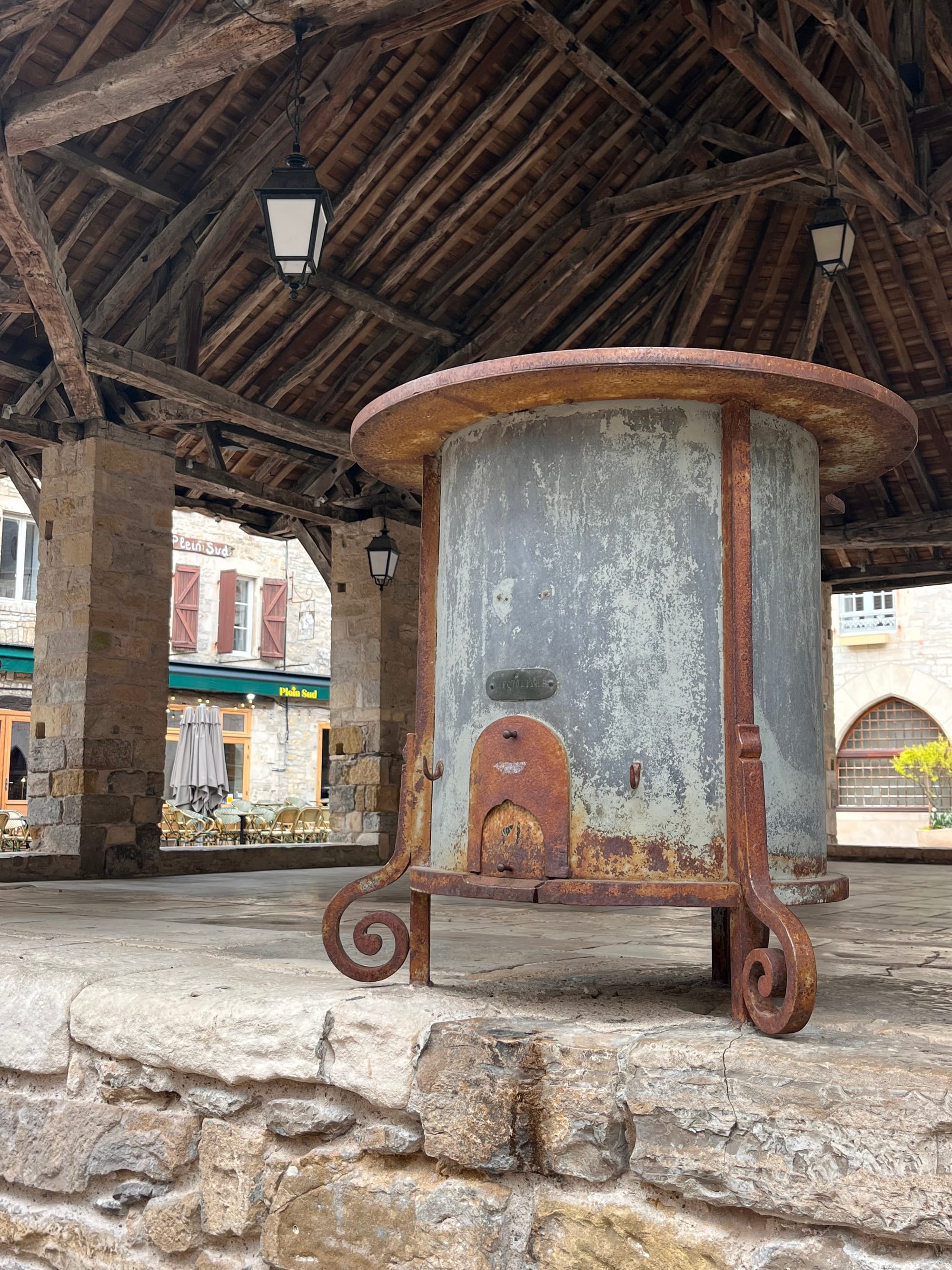
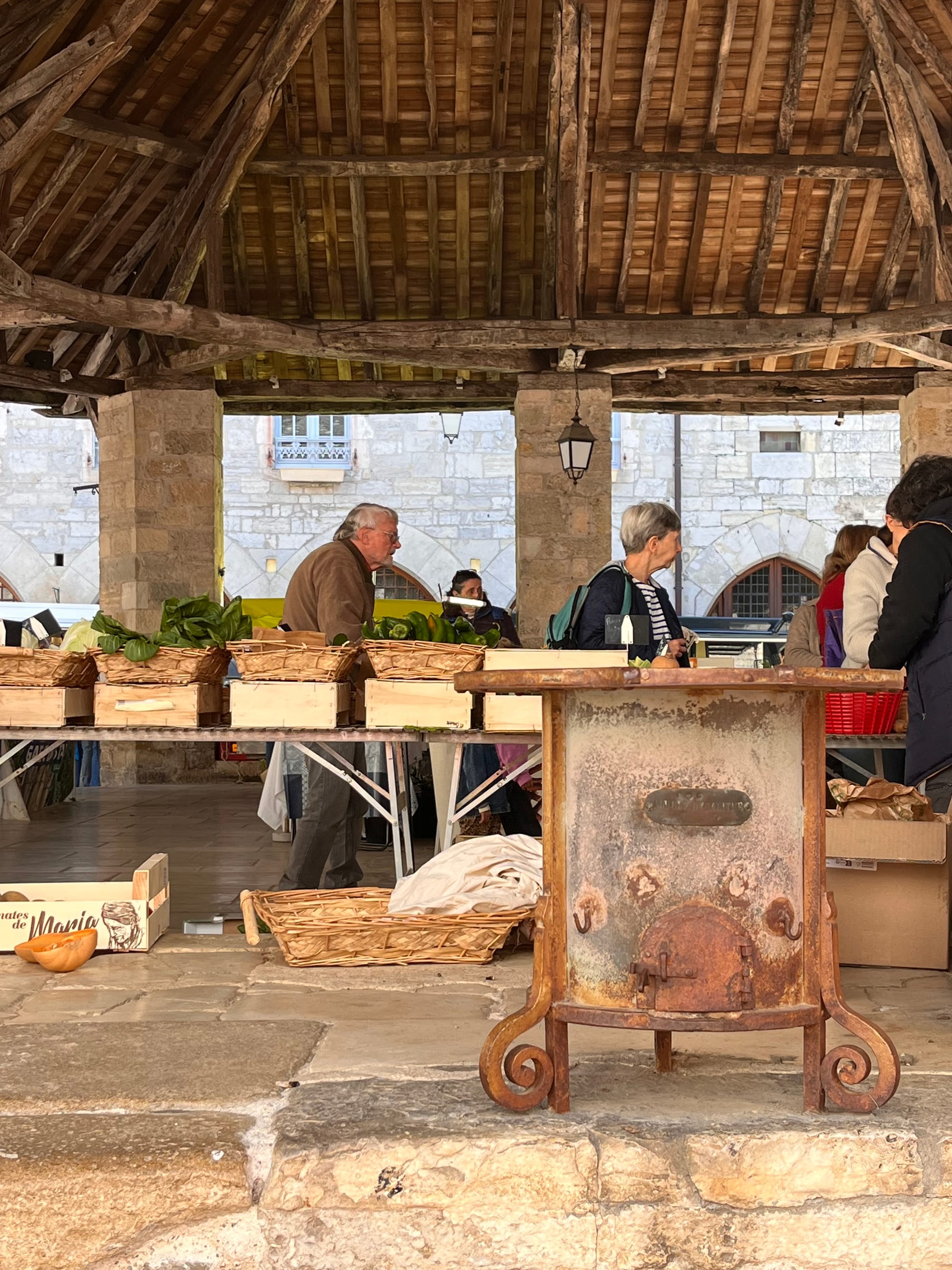
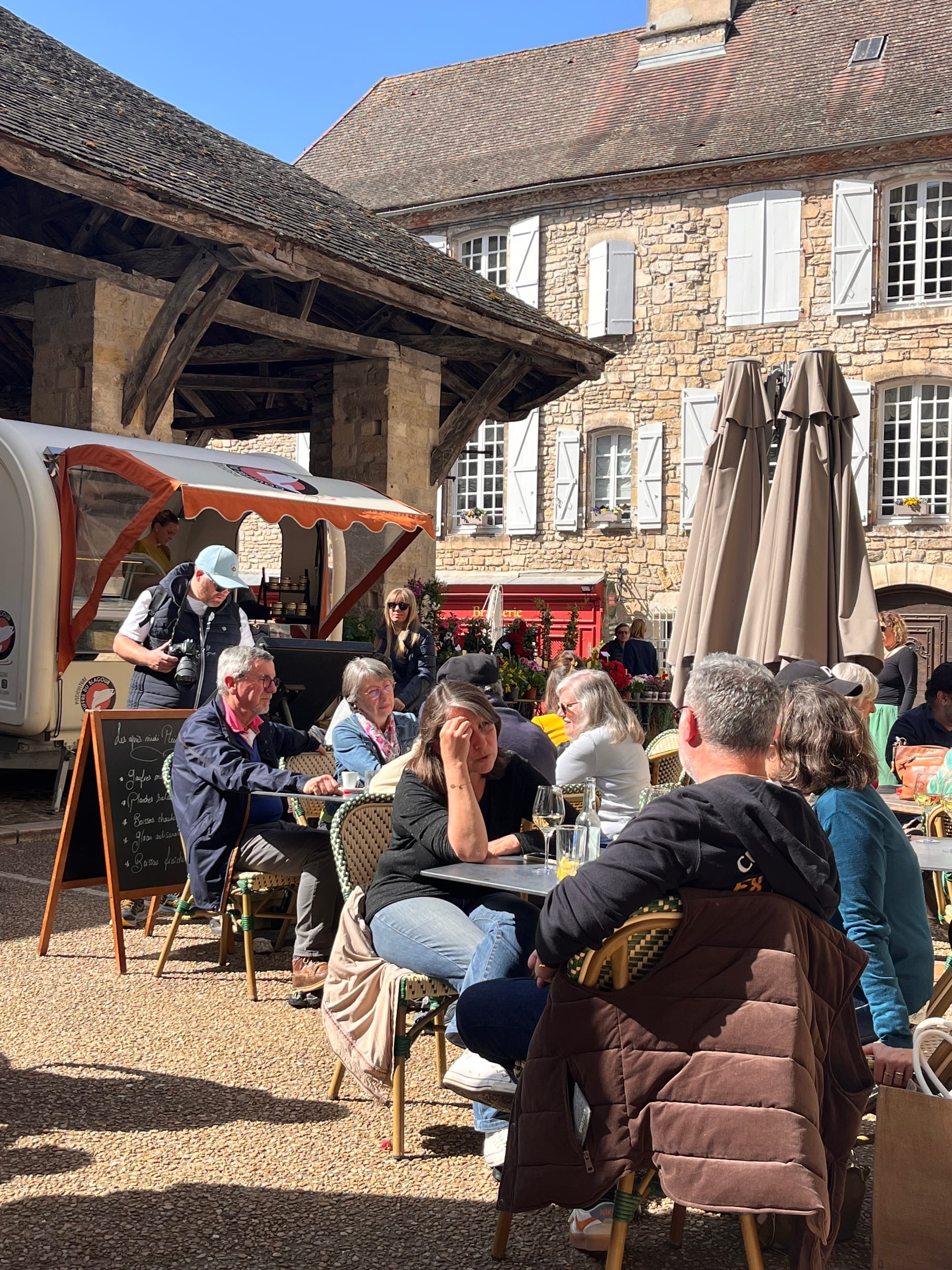
And I had that loveliest of things, a regular cafe right on the market square that was just perfect for a sunny morning coffee, a sunny afternoon beer, or a combination of both.
One of my favourite towns on this trip! Could easily see myself returning.